
Is water the new high fashion luxury?
Fashion in times of a climate crisis across Europe.
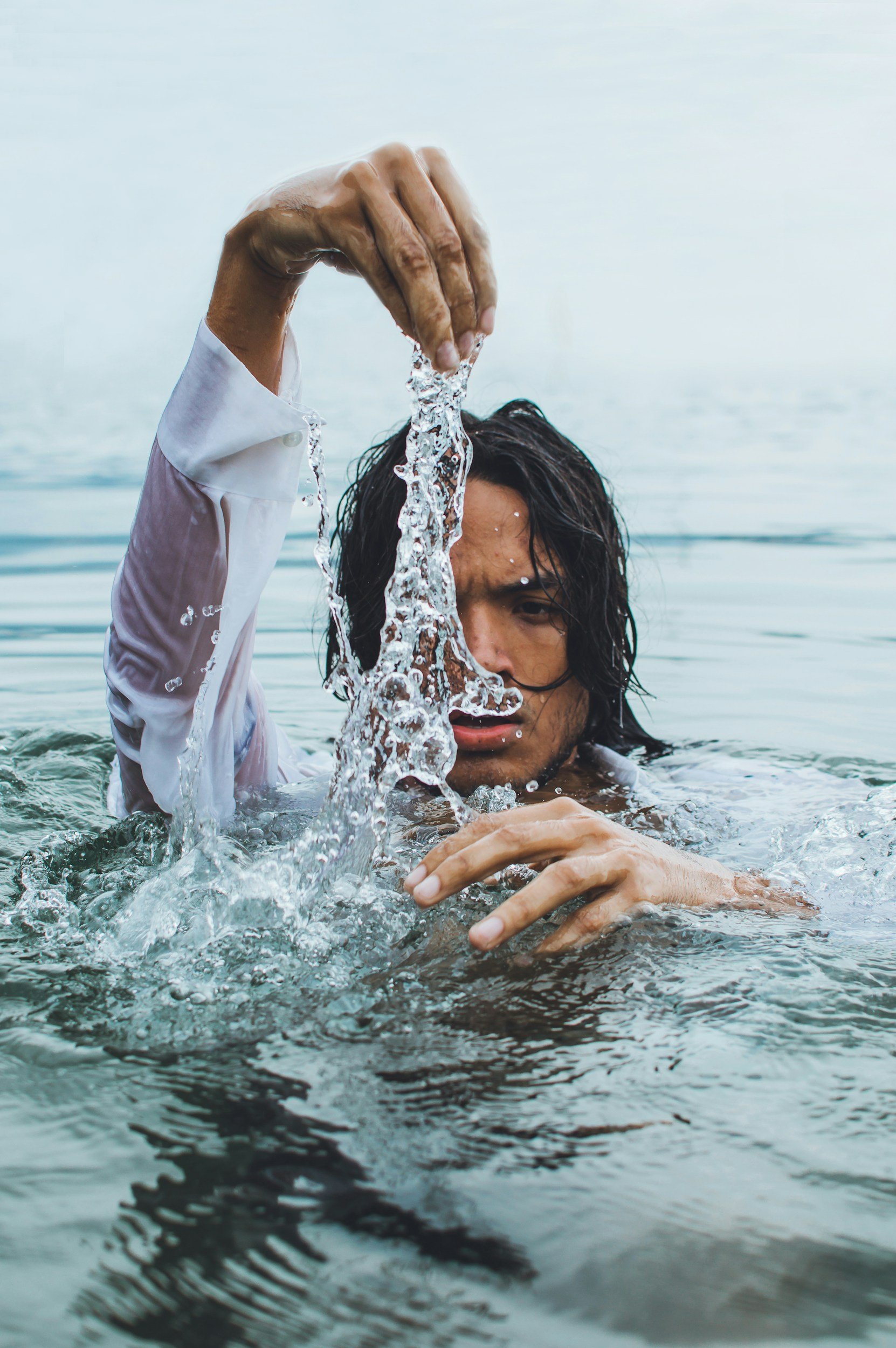
Expensive handbags, shoes, and clothes had taken a backseat to water during an era ruled by climate change; those who can afford the comfort of water, air conditioning, and a lifestyle unchallenged by the heat wave are now owning the new luxury.
Europe has always known a warm climate; however, according to recent studies by The Guardian, the heat wave of late June 2026 was the most severe ever recorded in the continent. This was due to several factors, all of which are mostly linked to human-caused global warming.
Among the main causes is an abnormal temperature wave known as a "heat dome" that has become "trapped" over Europe, retaining warm air. And on the other hand, the continent's proximity to the Arctic, which is melting at an increasingly rapid pace, also plays a role, and when it does, it will eventually affect the entire Northern Hemisphere, including Europe. All of this is driven by human-induced climate change—largely the result of burning coal, oil, and gas, according to the BBC.
Heatwaves are thus a worrying manifestation of global warming. An examination of this crisis reveals several deeply concerning issues; for instance, according to the European Mortality Monitor, the heatwave in June of this year alone resulted in over 10,000 excess deaths—with 5,700 occurring in France alone.
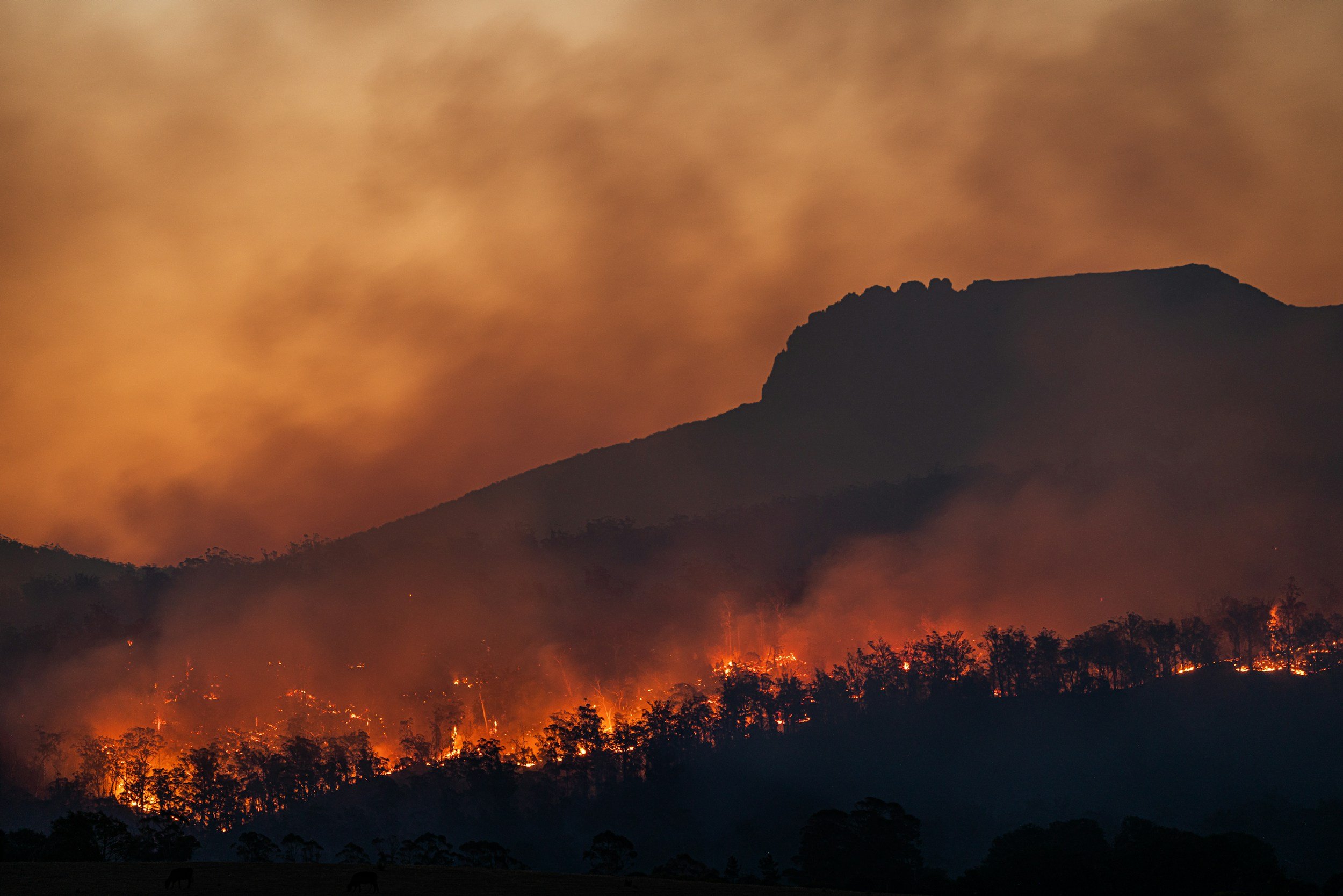
This crisis brings both direct and indirect consequences for humanity, while the Earth itself comes under assault; according to The Guardian, severe wildfires have burned across Spain and France since early July, killing people, destroying thousands of homes, and forcing more than 300,000 people to flee. Water, the source of relief amidst the heat is itself being threatened by drought; Helen Wakeham notes that the crisis has brought extreme drought conditions, explaining that the heatwave "depletes water reserves while high temperatures drive up consumption," effectively turning this universal resource into a privilege.
Fashion and the luxury of water.
High-end luxury houses often leverage a collective desire as a sales strategy; during recessions, food appears in fashion campaigns; and when drought and heat loom, water becomes a coveted element adorning social media marketing, inspiring collections, and, most recently, serving as décor for runway shows.
During Pharrell Williams’s Spring/Summer 2027 menswear show for Louis Vuitton, an eight-meter wave adorned the runway, while across the ocean, a city was grappling with a natural disaster. Yet, while these major corporations used water for decoration, the rest of the French population faced water consumption restrictions, measures mandating moderation in activities like watering plants, washing cars, and other daily tasks. How can garden plants compete with an eight-meter wave?
One thing is clear: we bear responsibility for our water consumption, regardless of whether we are in the midst of a heatwave. However, it is incongruous to leave the land parched while multibillion-dollar companies choose to consume water on a massive, thoughtless scale. According to Euronews, parched vegetation is already fueling wildfires; since the start of the summer season, nearly 7,000 fires have been reported, with approximately 8,700 hectares already burned.
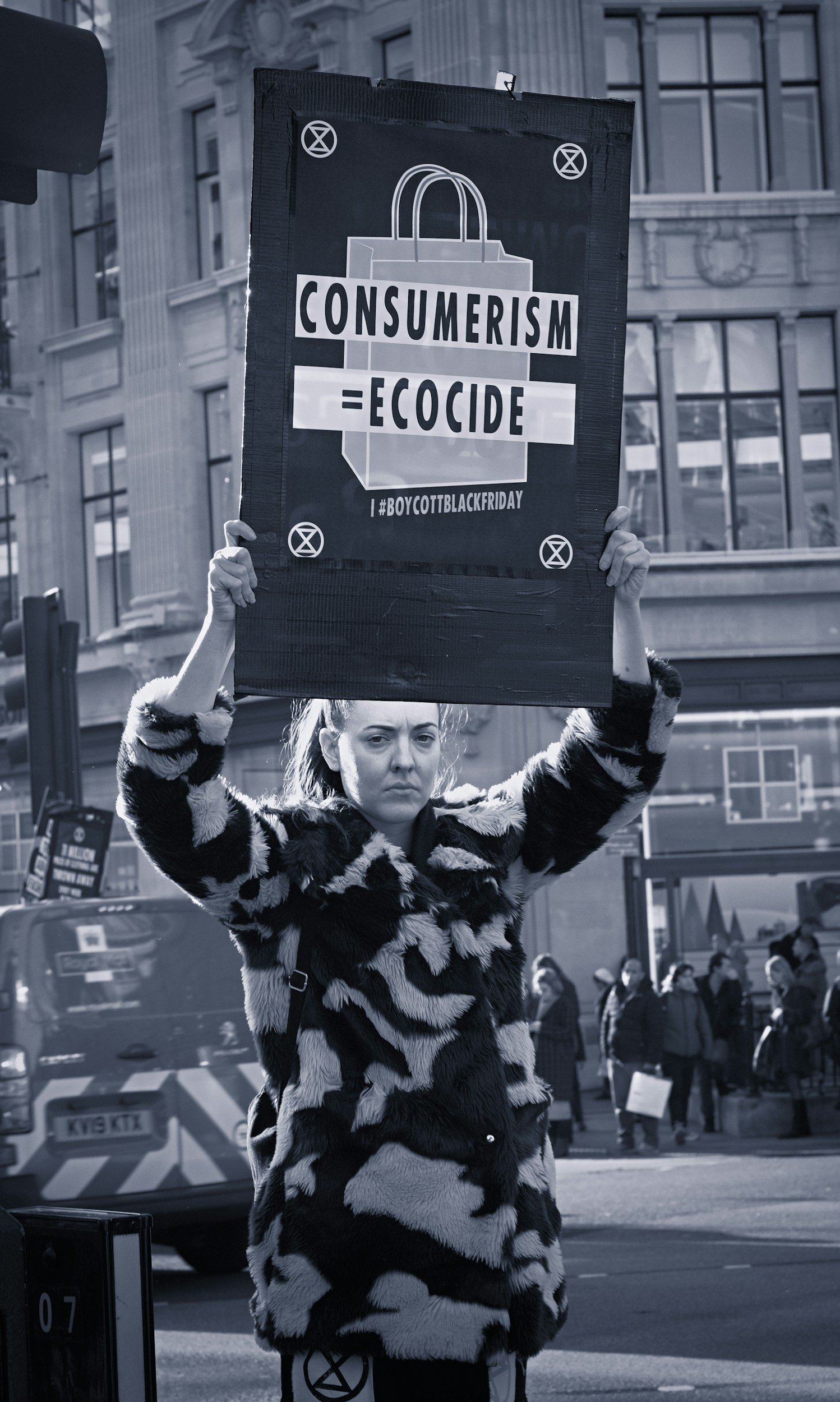
Ultimately, no environmental crisis is separate from humanity; as a collateral consequence, other people suffer, and the Earth itself becomes a victim of ecocide. But it hasn't always been this way, and it doesn't have to be, starting from the fashion industry's point of view. Couture was never about extreme consumption; it was about fulfilling a set of needs that eventually became an art form because of the slowness of the process and the awareness of the materials. But when machines and millions became involved, what was artisanal turned into massive consumption, resulting in an industry that consumes an estimated 79 to 93 trillion liters of water per year.
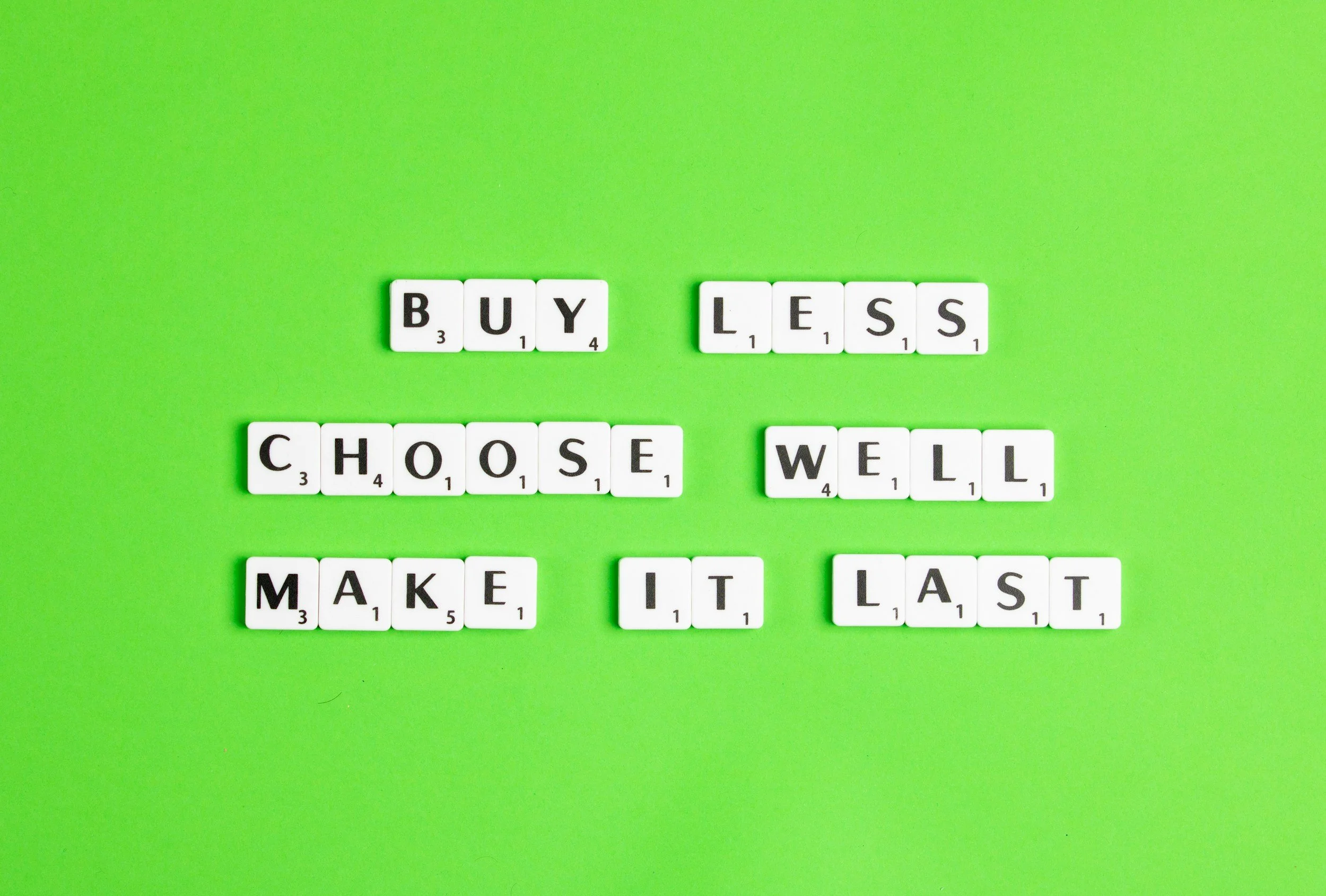
Great changes happen with actions that at first glance don't seem significant, but which, when persisted, are indeed significant: choosing to buy one pair of pants instead of two of the same color, prioritizing quality over quantity, buying a few conscious pieces over many that harm the planet and those who manufacture them; asking ourselves when buying if we really need it or how much use we would get out of that garment that seems fun. Just as we analyze where we shop, the purchase of new clothes from fast fashion companies is usually justified by the fact that they are new garments and therefore of better quality. However, in praise of Vision Ireland, "True vintage clothing found in thrift stores often features stronger fabrics and better craftsmanship than modern fast fashion from Inditex brands like Zara, Pull&Bear, or Bershka since older garments frequently used thick natural fibers and sturdy stitching." Thus, the shift in consumption begins with questions that lead us to critical thinking: Is it really worth giving more money to billionaire companies that exploit our resources?


Shoes are an integral part of our daily outfits. They bring us to new heights and help us to explore the beauty that nature brings. One type of shoe that is making waves around the world at the moment is Barefoot shoes. Besides the countless health benefit from improving posture to naturally strengthening muscles, Barefoot shoes offer maximum sensory with their thin soles as if you are walking barefoot. It has been said that producing a pair of shoes can emit as much as 30 pounds of carbon dioxide and damage the environment from the use of eco-unfriendly materials. Perhaps, it is not too late to make a positive impact on the environment from our end by supporting shoes good for your feet and the future. Check out Jejune’s approved guide to stylish and eco-friendly barefoot shoes to explore new heights in your next adventure.