
Why Pet Parents Choose Novel Proteins and Human-Grade Dog Food Over Kibble
A quiet but significant shift is happening in the pet food aisle. Across the United States, a growing number of dog owners are stepping away from conventional dry kibble and turning toward fresh, human-grade, and novel protein dog foods. This trend reflects deeper concerns about ingredient quality, digestibility, and long-term health outcomes for companion animals.
What "Human-Grade" Actually Means for Dogs
The term "human-grade" carries specific regulatory meaning in the pet food industry, and understanding it helps explain why veterinarians and pet nutritionists increasingly advocate for it. Dr. Jennifer Coates, DVM, notes: "The term 'human-grade' is more than marketing; it ensures the ingredients weren't '4D' (dead, dying, diseased, or disabled) animals often diverted to rendering plants."
Conventional kibble frequently relies on rendered ingredients, including meat meals and animal digests, that are not subject to the same safety standards as human food. Human-grade certification means every ingredient must be legally edible for humans, held to USDA food safety standards at every point in the supply chain. For pet parents concerned about what goes into their dogs' bowls, that distinction carries real weight.
Why Choose Novel Proteins?
Novel proteins, those that a dog has not been previously exposed to, are increasingly used to address food sensitivities and allergies. Common proteins like chicken and beef are frequent allergen triggers in dogs. Proteins like venison, rabbit, or duck give the immune system fewer familiar targets, reducing inflammatory responses in sensitive animals.
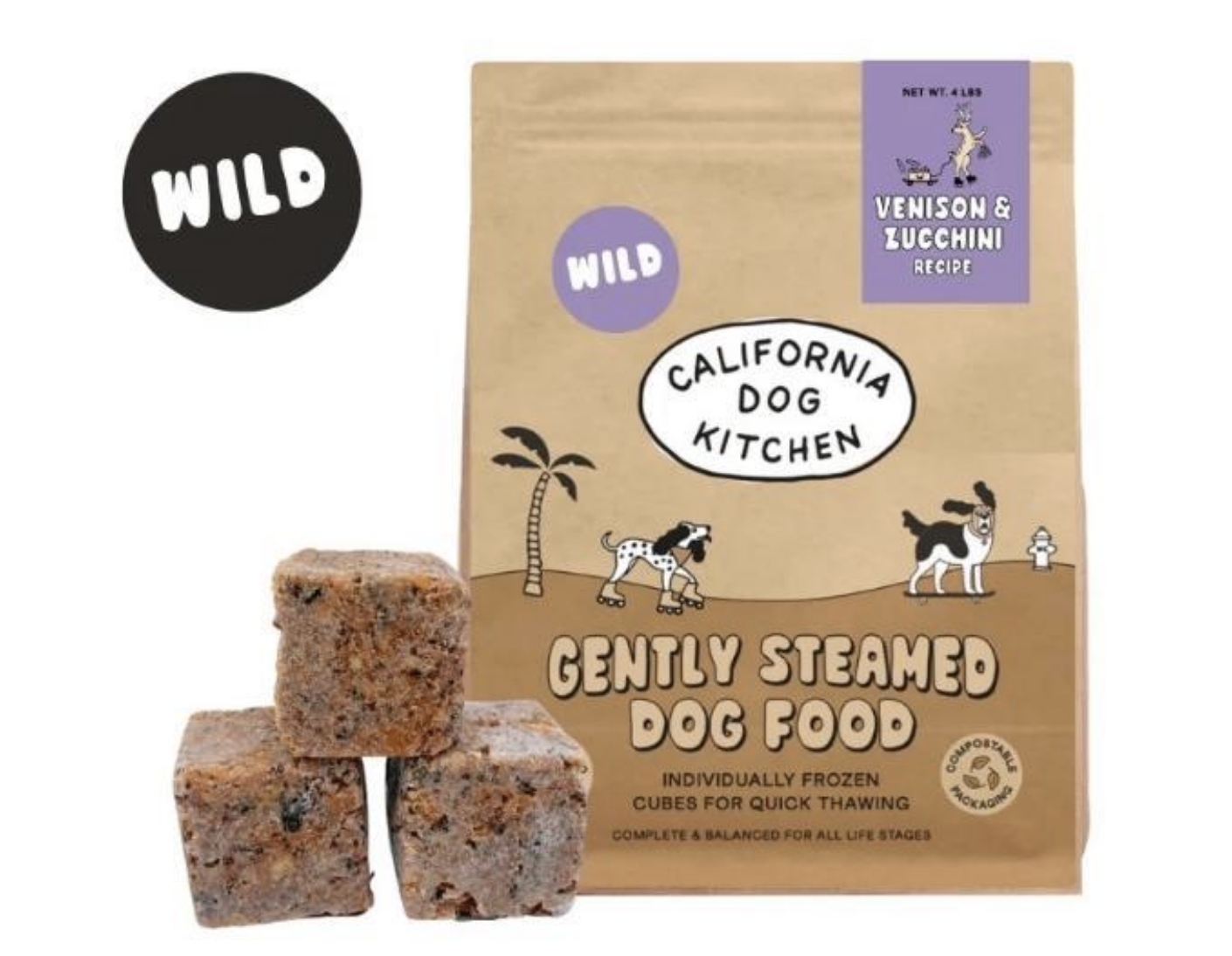
California Dog Kitchen, which you can find at californiadogkitchen.com, offers recipes like its Venison and Zucchini formula. These dog foods combine a novel protein source with whole vegetables in a gently cooked format. The result is a meal that is both digestible and less likely to provoke an allergic reaction compared to multi-ingredient kibble formulas.
Dr. Katy Nelson, DVM, explains the broader value of this approach: "Feeding human-grade food means you are removing the mystery of 'meat meal' and replacing it with whole, recognizable proteins." This transparency matters to a growing segment of dog owners who read ingredient labels the same way they read food labels for their own households.
Gentle Cooking Versus High-Heat Processing
Most dry kibble is produced through a process called extrusion, where ingredients are subjected to extremely high heat and pressure to form uniform pellets. While efficient, this process can degrade heat-sensitive nutrients, including certain vitamins, enzymes, and amino acids, requiring manufacturers to add synthetic supplements after processing.
Gently cooked dog food uses lower temperatures, which better preserves the nutritional integrity of whole ingredients. California Dog Kitchen prepares its meals in a commercial kitchen in San Diego, using GAP-certified organic chicken and USDA-certified ingredients. The company's food meets AAFCO Dog Food Nutrient Profiles for all life stages, including growth in large-size dogs weighing 70 pounds or more as adults.
The frozen cube format the brand uses preserves freshness without preservatives. Each bag contains 14 to 16 cubes, and the feeding system is straightforward: one four-ounce cube per ten pounds of body weight per day. An online feeding calculator at californiadogkitchen.com helps owners determine appropriate portions based on their dog's weight and life stage.
Organic Sourcing and Sustainability Commitments
Ingredient sourcing has become a meaningful differentiator in the premium pet food segment. California Dog Kitchen sources organic ingredients and holds acceptance into the Good Food Guild, an organization that vets producers for transparency, local sourcing, non-GMO ingredients, and overall quality standards. The company is one of only two pet food brands accepted into the guild as of early 2023.
The brand's packaging also reflects its environmental positioning. Orders are shipped in insulated boxes with dry ice, and the packaging itself is made from kraft paper with a vegetable-based liner. According to the company, the packaging breaks down within 180 days in an industrial composting environment, whereas conventional plastic packaging can persist for thousands of years.
California Dog Kitchen also directs 1% of all sales to environmental and animal-related nonprofits, a commitment that resonates with the brand's target audience: owners who treat their pets as family members and often share values around sustainability and transparency.
Convenience Without Compromise
One practical barrier to fresh dog food has historically been preparation and portioning. California Dog Kitchen's frozen cube system addresses this. Owners defrost cubes in the refrigerator and use them within five days. The portion-controlled format removes guesswork, making it particularly useful for multi-dog households or first-time fresh-food adopters.
Shipping is scheduled on Mondays and Tuesdays, with delivery by Friday and UPS tracking provided for each order. Products are shipped in insulated packaging to maintain food safety during transit. The cutoff for same-week shipping is 6 a.m. PT on Tuesday.
A Changing Market
The shift toward fresh and human-grade pet food is not a passing trend. Industry analysts have tracked sustained growth in the premium pet food segment for several years, driven in part by millennial and Gen Z pet owners who approach animal nutrition with the same scrutiny they apply to their own diets.
Veterinarians, nutritionists, and pet owners are collectively pushing for greater transparency in pet food labeling and sourcing. Brands that can demonstrate ingredient integrity, nutritional adequacy, and ethical sourcing practices are well-positioned as that pressure grows.
California Dog Kitchen represents one response to that demand: a locally produced, human-grade, gently cooked option built for dogs whose owners want to know exactly what they are feeding and why it matters.


Dedicated to—and in the name of justice for—Jane Doe and all of the women fighting against SA.