
Festival Dressing: Why Personal Style Is Replacing Costume Culture
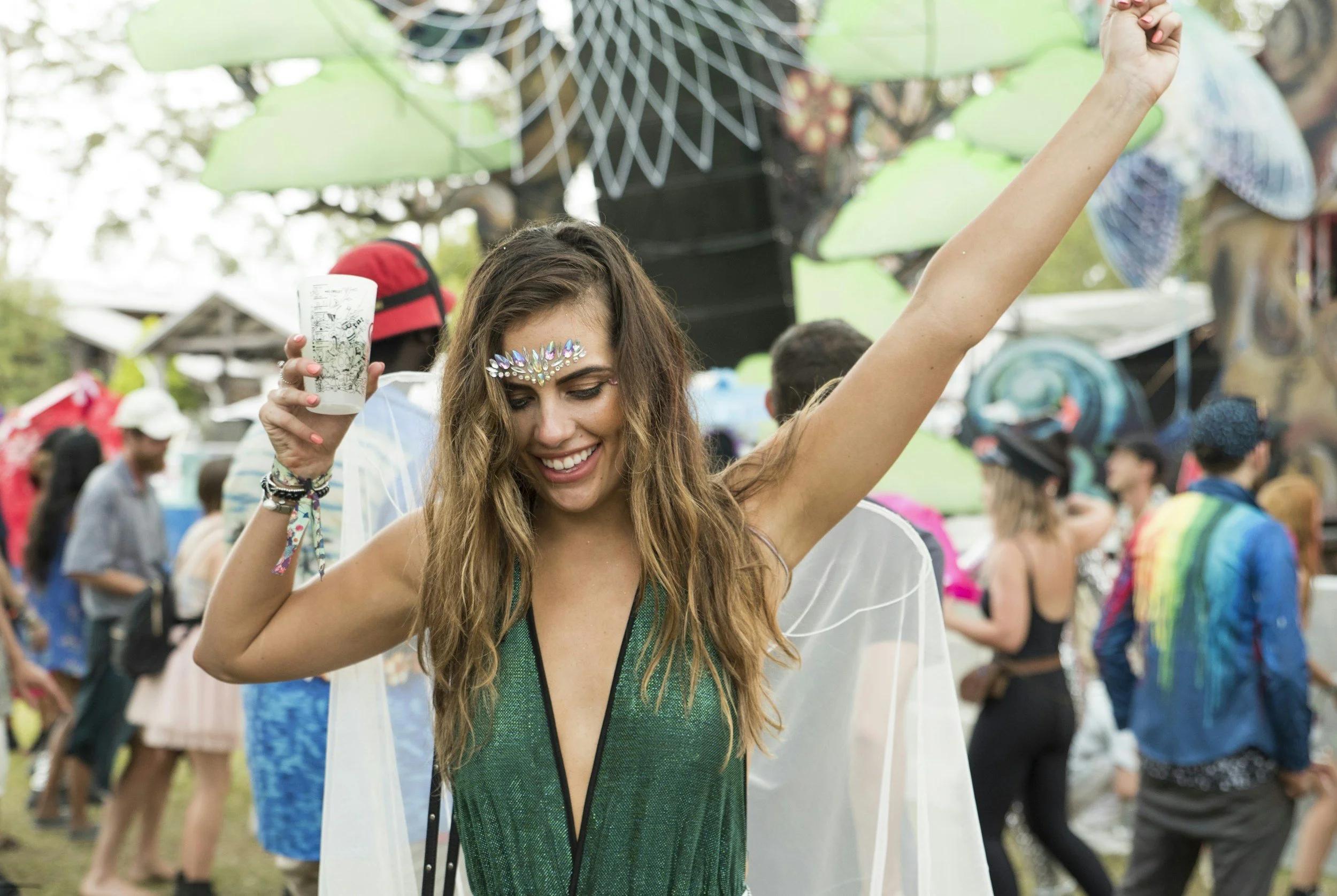
Festival fashion has entered a new era. Not long ago, many people approached music festivals as an opportunity to wear the loudest outfit they could find, often buying inexpensive clothing designed to be worn only once. Today, that mindset is steadily changing. Style is becoming more personal, more thoughtful and, in many cases, more sustainable.
Across fashion editorials and street style galleries, individuality has become more valuable than perfectly recreating an influencer's look. Festival wardrobes are increasingly built around clothing people genuinely enjoy wearing rather than pieces purchased solely for social media photographs. This shift reflects a broader change within the fashion industry, where authenticity is beginning to carry more influence than short-lived trends.
Personal Style Is Taking Centre Stage
One of the most noticeable developments in festival fashion is the move away from dressing according to a single aesthetic.
Instead of feeling pressure to wear sequins, glitter or elaborate costumes, many festival-goers now mix pieces that already exist in their wardrobes with carefully selected statement items. Vintage denim, oversized tailoring, crochet textures, western-inspired boots and contemporary sportswear are frequently combined in ways that feel unique rather than predictable.
Today's Festival Outfits often focus less on fitting into a particular trend and more on expressing personality. Collections designed specifically for festival season increasingly reflect this shift, offering versatile pieces that balance comfort with creativity instead of encouraging one-size-fits-all styling. This evolution has helped festival fashion become more inclusive. There is no longer a single look that defines the experience, allowing people to dress according to their own taste rather than external expectations.
Outfit Repeating Is No Longer A Fashion Mistake
Fashion editors and stylists have spent years encouraging consumers to think differently about how they build a wardrobe. Rather than purchasing entirely new outfits for every event, many now recommend investing in clothing that can be styled repeatedly in different ways.
Festival season fits naturally into this philosophy.
A lightweight jacket worn at one event can easily be paired with different trousers, boots or accessories for another. Linen shirts, relaxed denim and versatile outerwear continue working long after festival season has ended, making them smarter purchases than highly specific novelty pieces.
This approach also reflects growing awareness of sustainability. Choosing garments with a longer lifespan reduces unnecessary consumption while encouraging creativity through styling rather than constant shopping.
Jejune Magazine frequently explores how contemporary fashion is becoming increasingly connected with conscious consumption, craftsmanship and individual expression, showing that style today is often defined by thoughtful choices rather than fast-changing trends.
Fabric Choice Makes A Bigger Difference Than Many Realise
Colour often receives the most attention when planning an outfit, but experienced festival-goers know that fabric selection can have an even greater impact.
Natural fibres such as cotton and linen remain popular because they allow airflow during warm afternoons while maintaining comfort throughout long days outdoors. Crochet details continue to appear in summer collections because they introduce texture without adding unnecessary weight. Denim remains a festival favourite thanks to its versatility, while lightweight technical fabrics have become increasingly common among people who prioritise practicality without sacrificing style.
Texture also changes the way clothing interacts with natural light. Layered materials, woven fabrics and contrasting finishes create depth that photographs beautifully without relying on bold colours or oversized embellishments. This subtle approach often produces more timeless images than highly trend-driven outfits that quickly feel dated.
Beauty Trends Are Becoming More Effortless
Festival beauty has evolved alongside fashion.
Heavy glitter, dramatic makeup and elaborate face decorations still have their place, but many people now favour a fresher approach that focuses on healthy skin and practical routines capable of lasting throughout the day.
Lightweight skincare, broad-spectrum sunscreen and products designed for long wear have become essentials for many festival visitors. Hairstyles have also shifted towards relaxed textures, braids and natural movement instead of styles that require constant maintenance.
The emphasis is no longer on creating a flawless appearance from morning until midnight. Instead, beauty routines increasingly support comfort, confidence and the freedom to enjoy the event without worrying about frequent touch-ups.
Fashion Works Best When It Supports The Experience
One reason festival style continues evolving is that people increasingly recognise clothing as something that should enhance an experience rather than dominate it.
An outfit that allows someone to dance comfortably, walk between stages with ease and adapt to changing weather ultimately becomes more successful than one chosen purely for photographs. This practical mindset has encouraged designers to create collections that combine thoughtful construction with expressive design, making functionality part of the aesthetic rather than an afterthought.
The British Fashion Council has repeatedly highlighted the growing importance of sustainability, craftsmanship and long-term thinking within the fashion industry. These values are becoming increasingly visible in festival style, where quality, versatility and authenticity often matter more than following every seasonal microtrend.
The Best Festival Style Doesn't Follow A Formula
The most memorable festival wardrobes rarely begin with the question, "What's everyone else wearing?" They begin with a much simpler one: "What feels like me?"
That subtle shift explains why festival fashion continues to feel fresh despite returning every summer. People are becoming more comfortable mixing old favourites with new discoveries, combining designer pieces with vintage finds and choosing clothing that reflects their personality instead of chasing short-lived trends.
As festival culture continues to evolve, fashion is moving in the same direction. Creativity remains at its heart, but it is now accompanied by greater confidence, more conscious purchasing decisions and a stronger appreciation for individuality. The result is a style movement that feels less like dressing for a costume party and more like celebrating personal identity through clothing that people genuinely enjoy wearing, both during festival season and long after the final performance has ended.
Latin American fashion is not only beautiful; behind it lies a group of creatives who are transcending the industry through empathy, ancestral knowledge and artisanry. So, in honor of National Hispanic and Latino Heritage Month, I have put together a list of sustainable brands that are making a difference through their work.