
Restricted SNAP Benefits: How to Find Resources & How to Help
After the recent government shutdown left millions of Americans with little to no access to SNAP food benefits, many have been scrambling to find food for themselves and families. Now that the shutdown is officially over, states are working quickly to get the missing food assistance back to its people.
The U.S. Department of Agriculture issued a statement of guidance demanding that, “State agencies must take immediate steps to ensure households receive their full November allotments promptly.”
The SNAP program benefits about 1 in 8 Americans in lower-income households, which totals to about 42 million people where roughly 40 percent of which are children. Though, recent advancements in new law threaten a large portion of these recipients. Older Americans will soon be obligated to complete stricter work requirements in order to receive benefits. Further program cuts could also be forced as states will eventually have to share the cost of SNAP benefits. Furthermore, tens and thousands of legal immigrants reliant on these benefits are being notified that they are no longer eligible.
These changes will cut around 250,000 individuals from receiving necessary SNAP benefits.
How to Find Resources
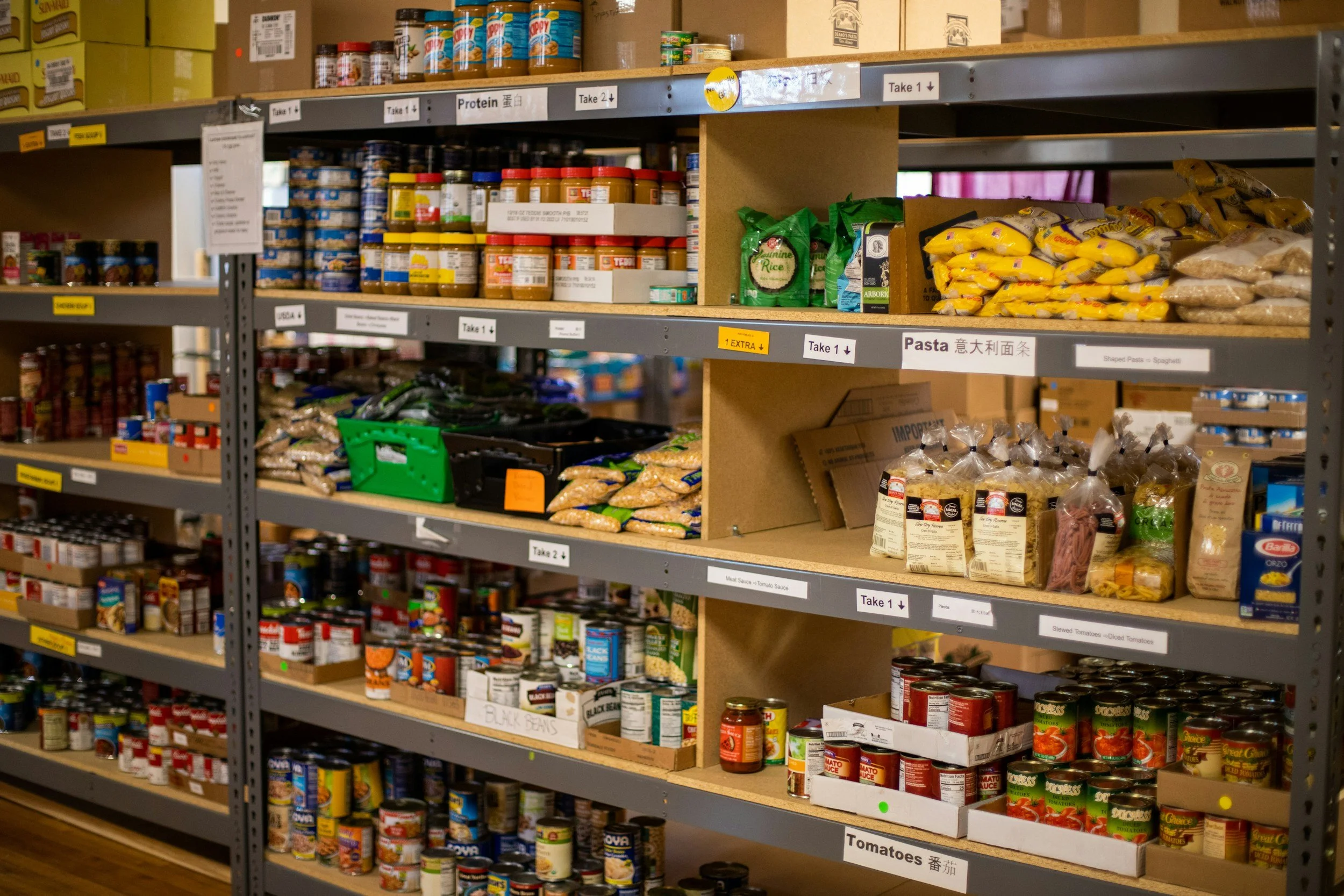
Local food pantries and mutual aid groups
Many national and local food banks/pantries, charities, organizations, and mutual aid groups are offering free or discounted food.
Check out Feeding America’s website to find your local food resources.
Check with local businesses
In light of the recent SNAP benefit situation, a lot of local restaurants and businesses have stepped up to offer free or discounted meals to SNAP benefit recipients. To find these deals in your area, check out local social media pages, Facebook groups, and news outlets.
Apps, discounts, & partnerships
Many grocery and food apps are currently providing SNAP benefits recipients with specific discounts.
Through November, DoorDash will waive delivery and service fees for grocery orders paid for with SNAP benefit cards, deliver over 1 million free meals for free, and waive all fees for more than 300 of their food bank and organization partners. They have also previously announced food insecurity initiatives to support food banks on a national level and help grow the network of food benefit-based organizations.
Instacart has set up a feature on their platform that allows users to donate directly to their local food banks.
Gopuff has committed to providing SNAP benefit recipients with a Gopuff account two $25 credits during the month of November.
Foodfinder and Plentiful are two free apps dedicated to helping those in need find local food resources.
Social media groups, specifically through Facebook, are offering a “grocery buddy” program where you can link up with someone willing to help pay for the groceries needed by a SNAP benefit recipient.
How to Help
Donate
One of the most impactful ways you can make a difference in the lives that are being affected by the SNAP benefit loss is by donating to your national and local food banks/pantries, charities, organizations, and mutual aid groups. Depending on the organization, you can either donate money or actual products. In addition to food products, many places also need personal care and household products. Cash/money donations can often go further than product donations as many organizations buy their products in bulk at a discounted price.
Another way to donate your money is by getting a “grocery buddy.” This means either taking a SNAP benefit recipient shopping or sending them money for their monthly groceries. While connecting in-person creates a level of participation that is more personal, if that isn’t a possibility, you can send money through various payment apps like Venmo, Zelle, and CashApp. You can find people in need by reaching out through social media, Facebook groups, or by connecting with individuals within your local community.
Volunteer
If you are in a position that doesn’t allow you the means to donate physical products, then donate your time to your local food banks/pantries, charities, organizations, and mutual aid groups. Some food banks/pantries may even need volunteers more than they need physical products. Contact them first to ask what would be most beneficial to your community.
Call your representatives
If you are not able to donate money or time, calling your representatives is an alternative that can be just as impactful. 5Calls is an extremely helpful tool that contains contact information for your representatives and even provides scripts for a number of relevant issues in order to help you communicate your demands more clearly and effectively.


Since the beginning of summer, the question has been raised as to whether the United States is experiencing a food safety outbreak; while some clinical cases remain within average ranges, others exceed them, leaving the public with an unsettling impression.