
Seasonal Hair Removal Tips for Travelers & Trendsetters

If you travel a lot, you’ve probably noticed that hair removal requires some logistics, between packing, checking the weather, planning outfits, and trying to avoid the classic combo of skin irritation and regret.
Whether you’re trying to time laser hair removal in Long Island or a waxing session in South Beach, the goal is smooth skin without surprise redness showing up in your vacation photos.
The good news is you don’t need a complicated routine for this. You just need a seasonal strategy, a little timing discipline, and a few simple rules that make travel-proof grooming feel normal. Let’s see what those are.
Core rule: Don’t try anything new right before you leave
Travel already stresses your skin. Cabin air is dry, hotel water can be different, heat and sweat ramp up friction, and new sunscreen formulas can trigger reactions. So, if you’re going to switch methods (waxing to shaving, shaving to epilating, epilating to laser, etc.), do it at least 1–2 weeks before a major trip, not the night before.
Spring rule: Make this the prep season
Spring is perfect for building a routine because the weather is usually milder and you’re less likely to be in full sun every day. If you’re doing any method that can make skin more sensitive, spring gives you buffer time before summer trips, beach weekends, and sleeveless season.
Summer rule: Sweat, sun, and friction are the enemies
If you’re wondering how to take care of your skin this summer, you should know that the biggest problems usually come from heat combined with friction, not whatever hair removal method you happen to be using. Tight waistbands, swimsuit edges, and denim shorts on long walking days result in stressed skin, no matter what you do.
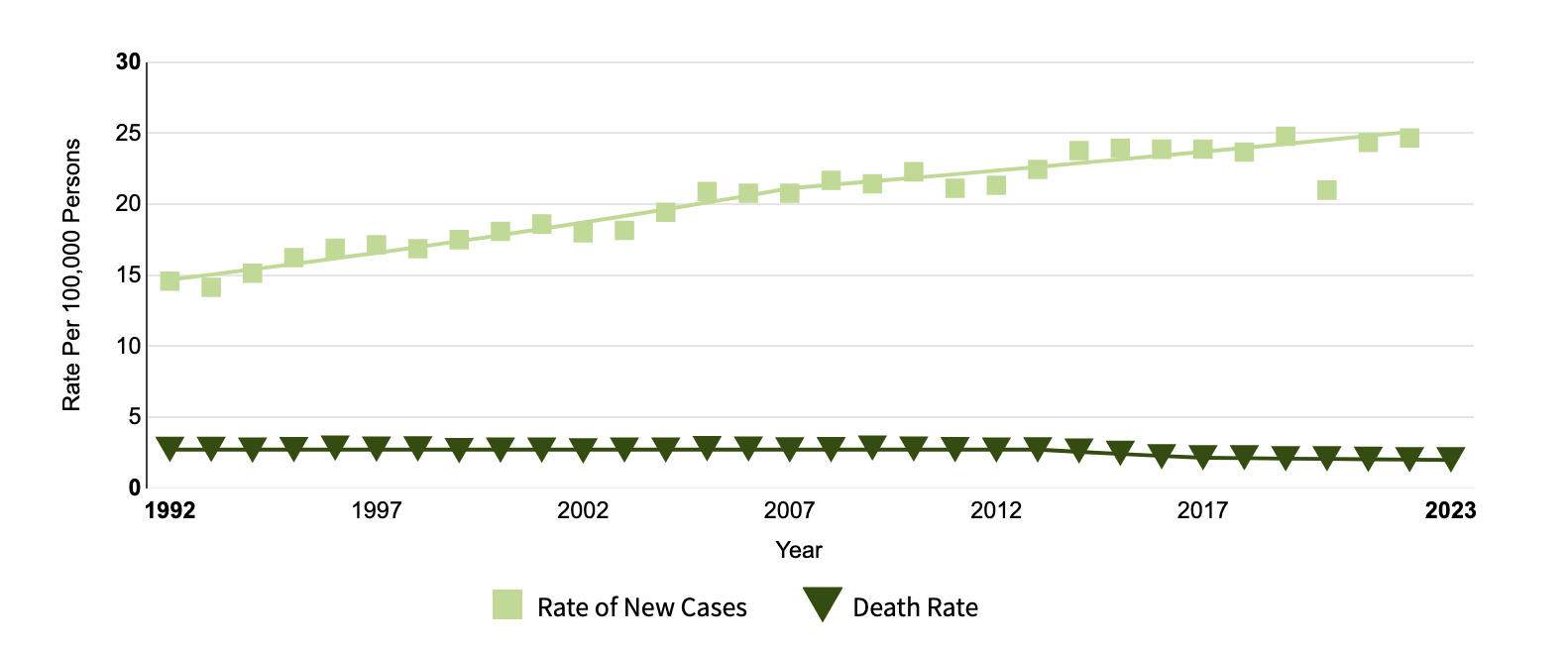
That said, you’ll want to keep your sun habits in check for a much more important reason than hair removal. The National Cancer Institute’s SEER Cancer Stat Facts cover some alarming melanoma stats, but protecting your skin against the high sun could go a long way in preventing this deadly disease.
[Source: National Cancer Institute]
Fall rule: Reset to maintenance mode
Fall is underrated. You’re typically wearing more layers, sun intensity is lower in many places, and your calendar is often more stable than in summer. That makes fall a strong season for getting consistent with longer-term routines and keeping skin calm while staying smooth.
If you’re someone who likes to be ready for spontaneous events like dinners and last-minute trips, fall is also the easiest time to maintain a predictable rhythm without battling constant sweat or harsh winter dryness. Speaking of…
Winter rule: Moisturize and don’t neglect sun protection
Winter doesn’t just dry out your face. It dries out legs, arms, underarms, and anywhere you remove hair. And dry skin is more likely to get irritated, flaky, or bumpy after grooming. This is also the season when a simple routine can feel like inner peace because you’re removing one more small source of irritation from an already-dry, already-busy time of year.
Use a thicker moisturizer immediately after bathing, and if you’re doing hair removal before a winter getaway, remember that indoor heating can be just as drying as cold air.
However, perhaps the biggest danger in the winter comes from our tendency to forget how devastating the UV radiation from the sun can still be, even if it’s cold. This is especially true on ski trips high up the mountain.
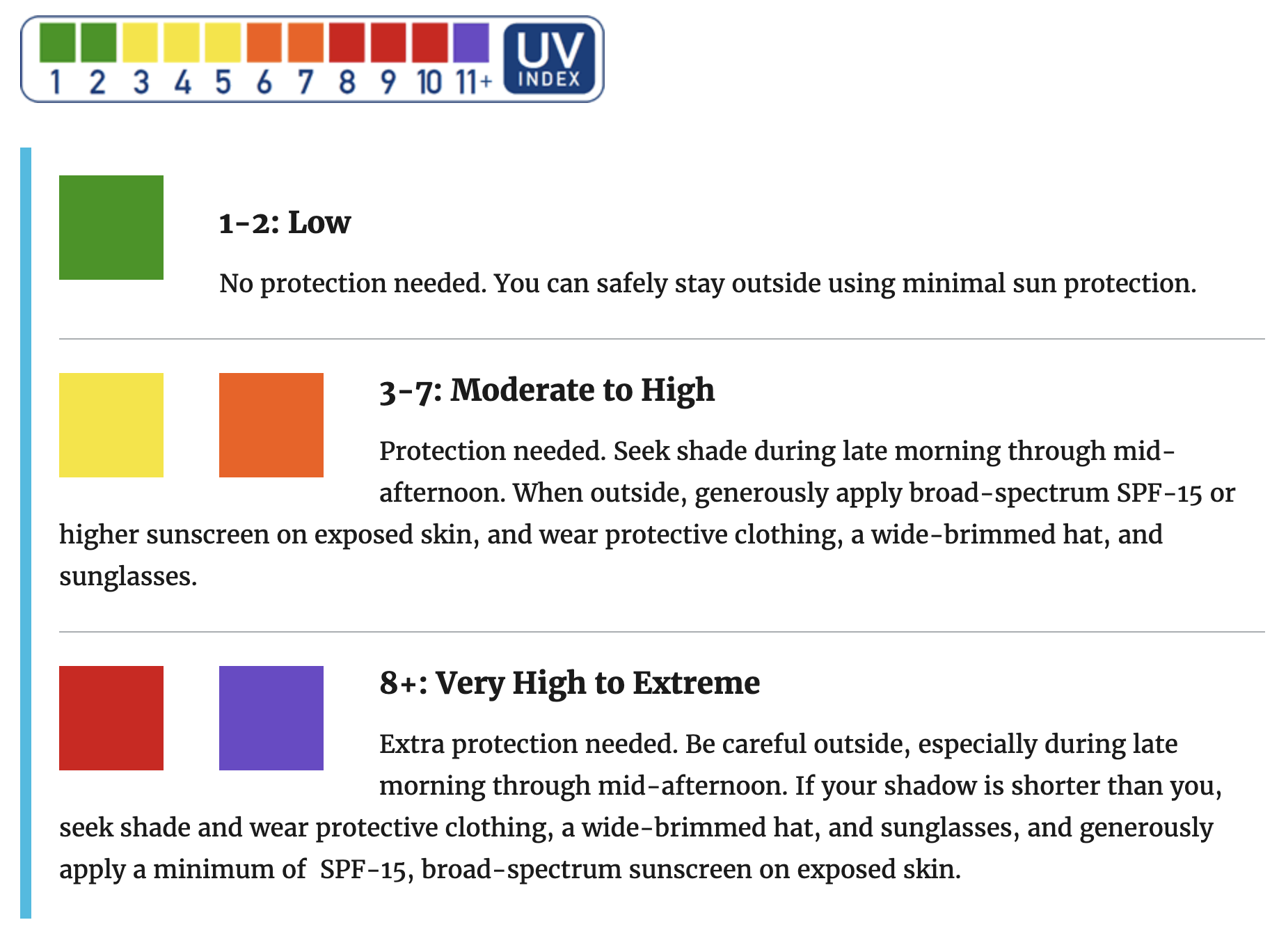
A simple travel habit that helps in this case is checking the UV Index before you commit to a long day on the slopes. The U.S. Environmental Protection Agency’s UV Index scale includes visual guidance on what “low,” “moderate to high,” and “very high” UV exposure means in practice.
[Source: EPA]
How to look polished without last-minute damage
If you have a beach vacation, photoshoot, wedding, or any other event on the calendar, plan backward. The closer you get to the date, the more you should favor low-risk maintenance over big changes.
Do anything that can cause visible irritation, like waxing or sugaring, at least 1-2 weeks out. Stick to gentle touch-ups only in the final 2-3 days, and avoid experimenting on the day. If you must, do the smallest possible fix and moisturize.


In the world of makeup and skincare, the 2020s have been defined by little to no visible product on the face. “Clean girl” minimalism and the “no make-up make-up look” have long lapped the 2010s passion for big, blocky eyebrows, cut creases with thick eyeliner, blinding highlighter and overdrawn lips. As someone who began her makeup journey during that heavy, colorful era, I yearn for the days when people wanted to go outside wearing more than the latest in an endless parade of lip oils.