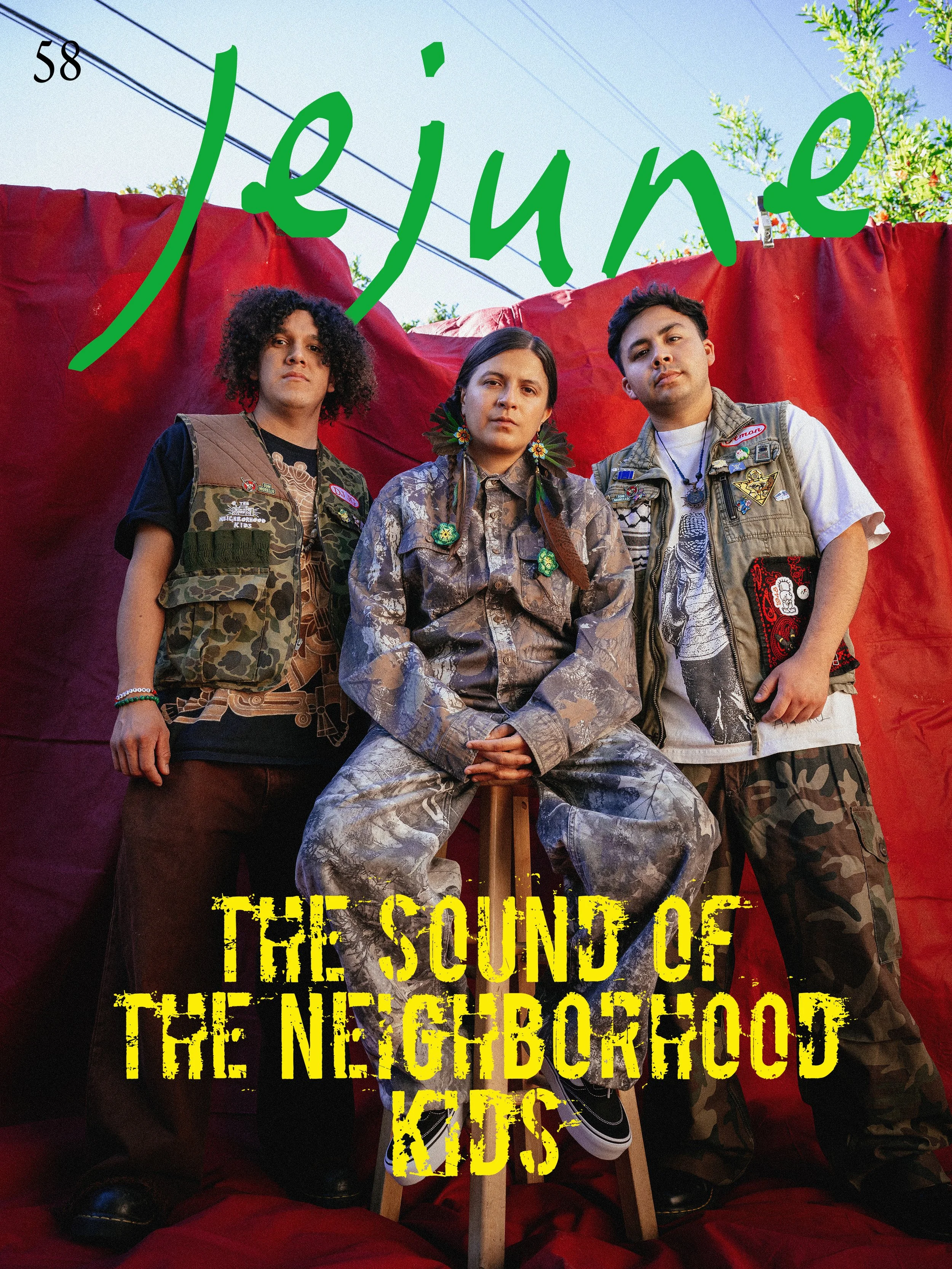
COVER - The Neighborhood Kids Are The Voice Of A Generation
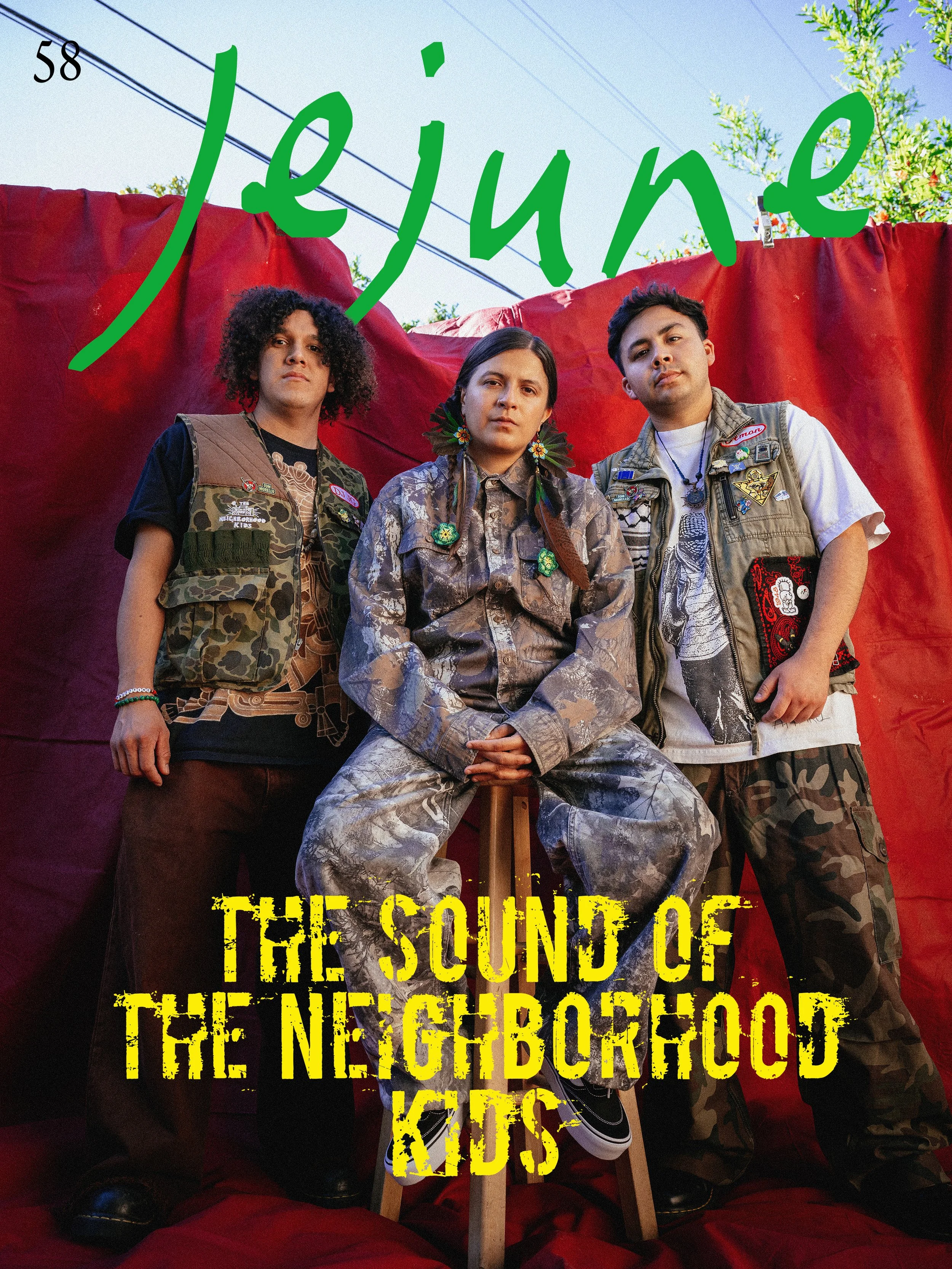
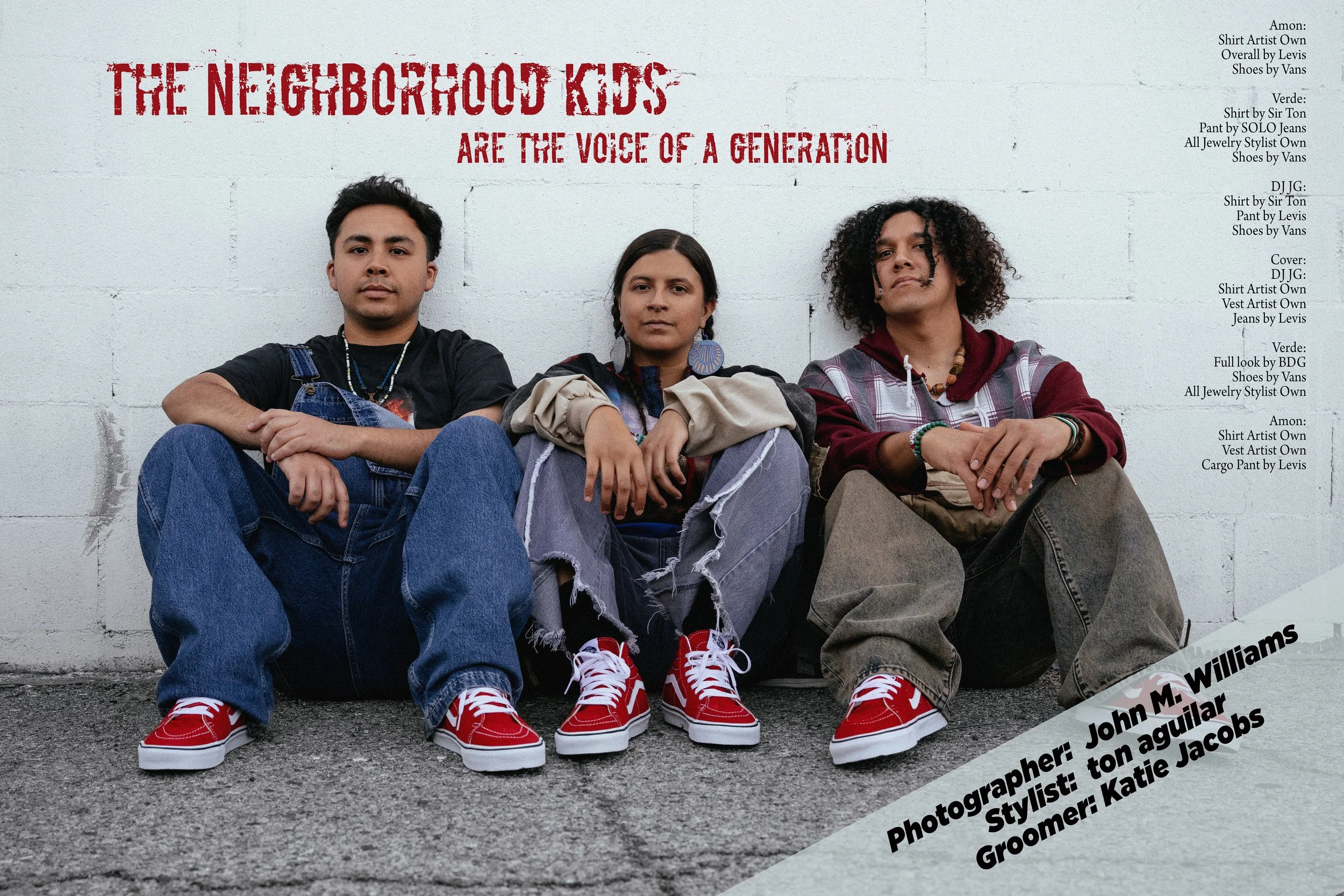
In a time in history when every turn feels bleaker than the next there is a ray of hope emerging to help ride us in this fight to do good and care about each other. The Neighborhood Kids started out as just kids who wanted to make hip hop, but they couldn’t stay quiet to the injustices in the world. Now they are know as, and perfectly named their first album, the “Voice of the Revolution”. And with 233K followers on Instagram alone and millions of views, this generation is listening and ready. We are hungry and tired of the injustice, and there is nothing like a good beat to get us amped up to take on the world. Because if we don’t do it, no one will. Read on to get to know the Neighborhood Kids, their music, and the many nonprofits they work with better.
Where are you based?
TNK: San Diego, California.
What came first, the music or the activism?
DJ JG: The music came first, but we have always been connected to community. We were still building, and the activism came shortly after that, but we have always cared about humanity.
What inspired you to start making activist music?
TNK: The state of the world.
You three seem very aligned. How did you connect? What is the back story of The Neighborhood Kids?
Verde: We have been friends for a long time. It started with just being friends and being cool humans around each other, and then it was beautiful that we all made music too. We connected through music.
Amon: Verde and I met at a hip hop show she was performing at. Later, I met DJ JG at another hip hop show. He was playing music DJs do not normally play, and he ended up DJing my set. After that, he kept DJing some of our sets, and we just kept doing shows together, almost accidentally.
Verde and I were friends for about a year first. We were hanging out, going places, then going back to her studio and making music. She would make the beats, I would be there, and it happened organically.
Verde: I remember Amon doing alley shows in Vista, CA, and JG would be the DJ. I felt us getting more connected through that, and through community work too. We knew that we all wanted to make music together, as time went by it magically happened naturally.
What is the story of the name The Neighborhood Kids?
Amon: The name came during lockdown. We were outside playing basketball, skating, hanging out with our neighbors’ kids, and another neighbor passed by and said, “It was really cool seeing y’all with the neighborhood kids.” At the time we were looking for a name, and it clicked. We sat on it for a while, but nothing felt more right.
Verde: I remember bringing it up at practice and asking what we should call ourselves. When we said The Neighborhood Kids, everybody was like, yeah, that is it.
How would you describe the kind of music you make?
Amon: Revolutionary hip hop, conscious rap.
TNK: Old school hip hop, boom bap.
Amon: With the band, it gets more raw, loud, aggressive, almost rock, but still powerful. With the three piece, it is a different sound, but it has the same raw energy.
Congratulations on your latest single “Who Keeps Us Safe?” What is the story behind this song?
Verde: We were in LA that day and had just finished another session, but we really wanted to meet up with our friend Alianna. She is an amazing producer, finger drummer, singer songwriter, and she was always advocating for Palestine online. We linked with her late at night, started going through beats on her MPC, heard one and instantly knew that was the one.
We wrote the song in a few hours and stayed there until around three or four in the morning. I told her she had to sing the hook because she is such an incredible soul singer, and she came up with it so fast. She arranged it, recorded it, sent us the stems, everything.
Amon: A fun fact is that we recorded it at a music school where she worked, not even in a booth. Just in one of the rooms where they teach. It was beautiful and super organic.
Message wise, the song came naturally. Verde and I were writing separately, but we were both writing toward the same feeling. The beat felt soulful, somber, hopeful, and real. Then Alianna’s hook tied it all together.
Verde: And her hook is actually a protest chant, “Who keeps us safe? We keep us safe.” and that made it even more powerful.
One of my favorite lyrics from the single is “We can’t change the past, but we could always shape the future.” Why is it important we reflect on the past for the betterment of our future?
Amon: It is extremely important because history keeps repeating itself, and we are seeing that in our lifetime. If we truly reflect and look at the world from a bird’s eye view, we can see how destructive things have been and still are. We can learn from the mistakes of the past so these atrocities do not keep happening. That reflection is how we tip the scales toward justice.
Congrats on your debut album, “Voice of the Revolution,” that just released. What inspired the creation of this album?
Verde: There are so many people being silenced every day, and on top of that, everything is so censored. A lot of these truths are not shown on mainstream media, and even when they are, they get suppressed. Music is a powerful tool because people repeat it, memorize it, and carry it with them. We felt called to be a voice for the revolution, and to remind people that they have a voice too, through words, dance, art, whatever they create.
Amon: The album title came from the people. We were thinking through names for the project, and somebody commented, “Y’all are the voice of the revolution.” So in a real way, the people named the album.
Can you tell us a bit about the journey of this album?
Amon: At first it was only supposed to be a few songs, more like an EP. But after doing so many band shows and so many three piece shows with DJ JG, we realized we wanted to show the hip hop side of who we are in a fuller way. We wanted it to feel like a classic hip hop project, but then the creativity kept stacking. Ten songs turned into twelve, then more. Once the interludes and transitions came in, it became a full experience instead of just a playlist.
Verde: Some of those beats had been with us for years. Amon bought a few of them back in his first year of college, and they just sat with us until the right words came. We kept going back to them because they felt important.
Amon: That is what made the project special. Some ideas were years old, but they found their moment now.
A huge part of that journey was Niko, our producer, guitarist, and one of our best friends. He was not there for every beginning stage, but once songs were taking shape, we would show them to him because he would give us the raw truth. He is not a yes man, and that honesty helped make the album what it is.
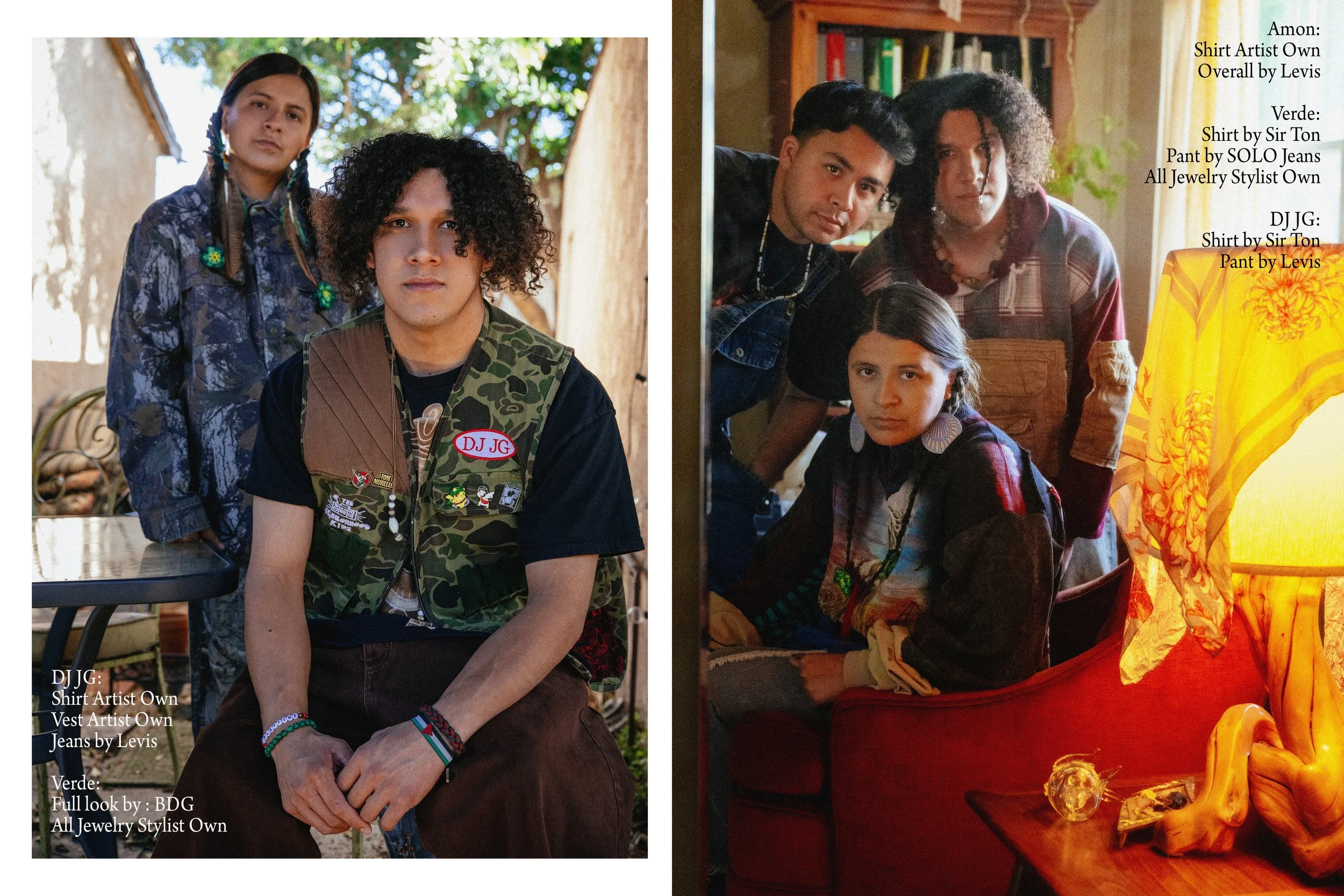
What do you hope to inspire within your listeners?
Amon: With a project called Voice of the Revolution, we want people to use their voice and remember that we are a collective voice. When we use our voices together, real change can happen.
Verde: It is time to stand up. We are not mad enough. The world is crying for help, and we need people to wake up, protect each other, protect the earth, and stop repeating the same destruction.
DJ JG: I hope it inspires community and brings people together. I want people to join the revolution, use their platforms, bring awareness, and give healing to the world. I really believe this music can awaken people, shift perspectives, and remind people that what is happening in this world is not right.
Within your music there is an intersection between art and activism. How do you think art as a form of activism differs in the way it connects with and inspires people as opposed to more traditional forms of activism?
Amon: Everybody listens to music. Not everybody is going to listen to a speech, no matter how powerful it is, but music can open hearts and minds in a different way. It reflects the times and challenges the status quo. It may not solve every problem, but it can absolutely move people toward action.
Verde: People memorize music. They carry it with them. Speeches can be powerful too, but music lives on forever. It is timeless.
How does the confrontational energy within your artistry aid your process of making music? How much does your environment influence what you decide to write about?
Amon: I think we are direct because sometimes that is the clearest way for people to understand the truth. Things can be poetic and diluted, but sometimes you need to get straight to the point so people can really digest it. That directness helps us make progress.
And yes, our environment influences what we write about one hundred percent. Not just physically, but digitally too. We are so connected to the rest of the world now. Seeing what is happening in places like Congo, Sudan, Lebanon, Palestine etc affects us deeply. Even if we do not live there, that still becomes part of our environment.
Verde: For me it is about being unapologetic. I mean what I say. People deserve to live. People deserve food, housing, and dignity. Caring about humanity should not be controversial. It is not hard to care, and I think our music reflects that.
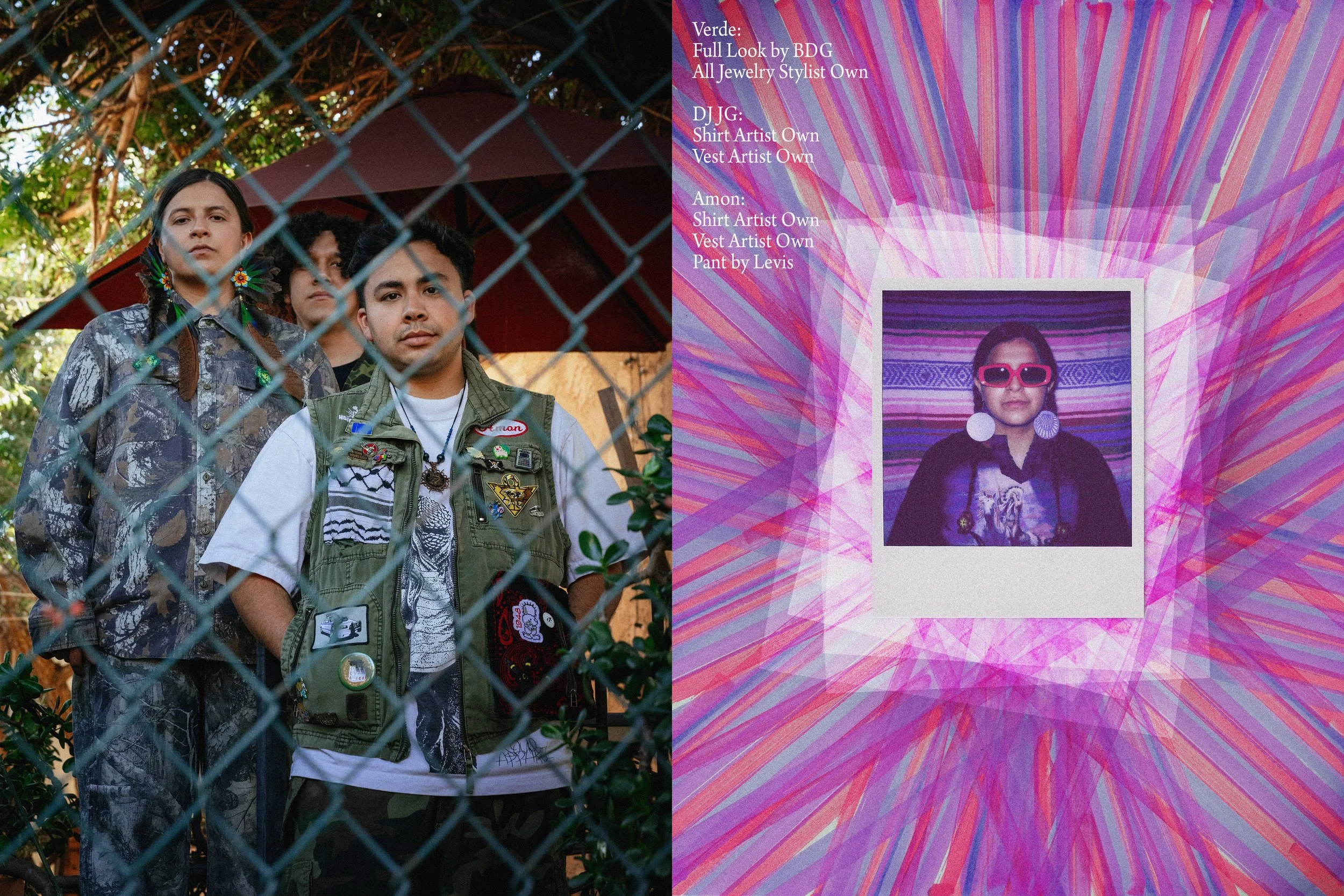
Why do you use music as a form of protest?
Amon: Music is my favorite thing in the world. You have a better chance of reaching somebody’s soul through music. That is why I think it is one of the strongest mediums for protest.
Verde: It strikes the soul and the spirit in a different way. It can heal you mentally, spiritually, emotionally. Music is unique in that way. It can help heal and save the world.
Amon: And protest songs outlive movements. There is so much music that has stood the test of time and still speaks volumes today. That matters.
You’ve worked with several organizations like Border Kindness, Immigrant Defenders Law Center, and Operation Olive Branch, that help support immigrants, refugees, and other vulnerable populations. Can you tell us more about these organizations and your involvement? Why are organizations like these critical to the protection of vulnerable groups of individuals?
Amon: Immigrant Defenders Law Center is a nonprofit group of lawyers helping vulnerable people through the immigration system, including people being unlawfully detained and people in detention centers. They do that work through donations, grants, and a lot of volunteer time, so we will always stand with them.
Verde: Border Kindness provides direct support to migrants and asylum seekers, including food, shelter, medical care, and education programs focusing on meeting immediate needs on the ground. Border Angels delivers humanitarian aid like water drops in the desert while also advocating for migrant rights and immigration reform through activism and outreach.
Amon: Operation Olive Branch is beautiful because it is not just a standard nonprofit model. It is people coming together and asking how they can make a difference, then helping build infrastructure and get direct support to families in places like Palestine and Congo.
We’ve also worked with Saving Innocence, which supports children and youth who have been trafficked. As The Neighborhood Kids, everything we do comes back to protecting, uplifting, and fighting for the kids.
Our involvement has mostly been through fundraising, awareness, collaborating on events, and sharing their work. At our last show in San Diego, we donated one hundred percent of the ticket proceeds to the Immigrant Defenders Law Center because the movement is bigger than us.
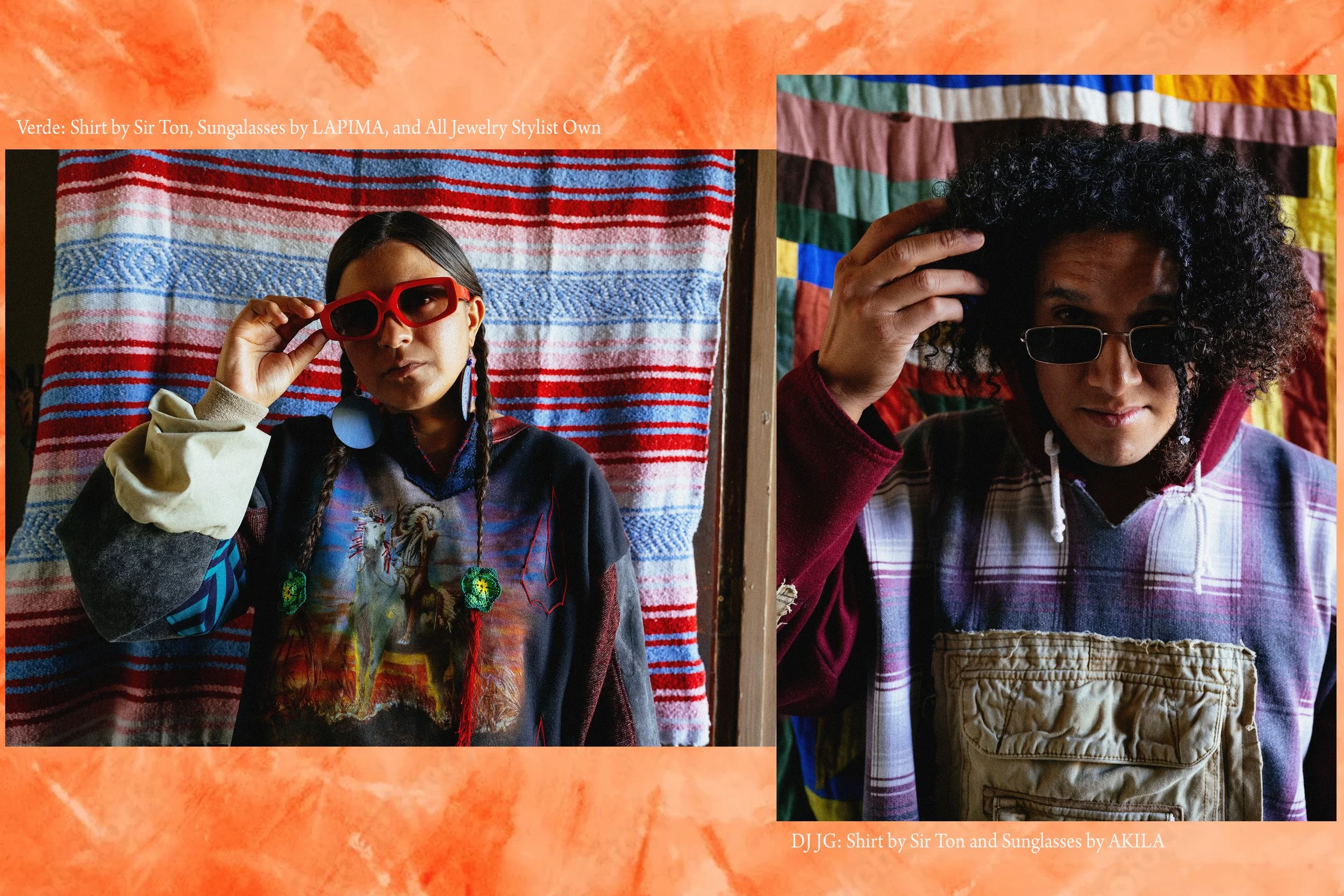
With the current administration it is a scary time for immigrants. How do you think we can help create a more positive environment for immigrants in this country as we ride out this current government?
Verde: It is important to create safe spaces, like community events, but even beyond that, places where people can truly feel protected. Right now a lot of people are scared, so we need to protect each other, fight back, and show up when something violent or unjust is happening.
That is exactly what “Who Keeps Us Safe?” is about. We keep us safe. We have to be there for each other at the end of the day.
You’re heading to Barcelona to support the Global Sumud Flotilla. What is the Global Sumud Flotilla and why is it so important?
Amon: It is grassroots people coming together to create change, physically and symbolically. We saw people from many countries gather resources, time, energy, and even risk their safety to make that mission possible. The goal is to bring aid where aid is being blocked, and to show that humanity is not lost.
Even if the boats are intercepted, the action still matters. It shows the world that people are trying to help, and that there are forces willing to stop that help. So it is both a humanitarian mission and a protest. No matter the outcome, it is a sign that people can still come together and fight for each other.
It also reflects years of solidarity. Earlier on, through another effort, we helped raise funds for aid in Palestine. This felt like another step in trying to help more directly.
What are some ways our readers can show their support and get involved?
Amon: Listen to our music, come to our shows, and stay educated. Follow educators, organizers, and people who are truly about the cause. If you want to support us, support the movement too. Tell somebody about the music, show up, and keep amplifying the truth.
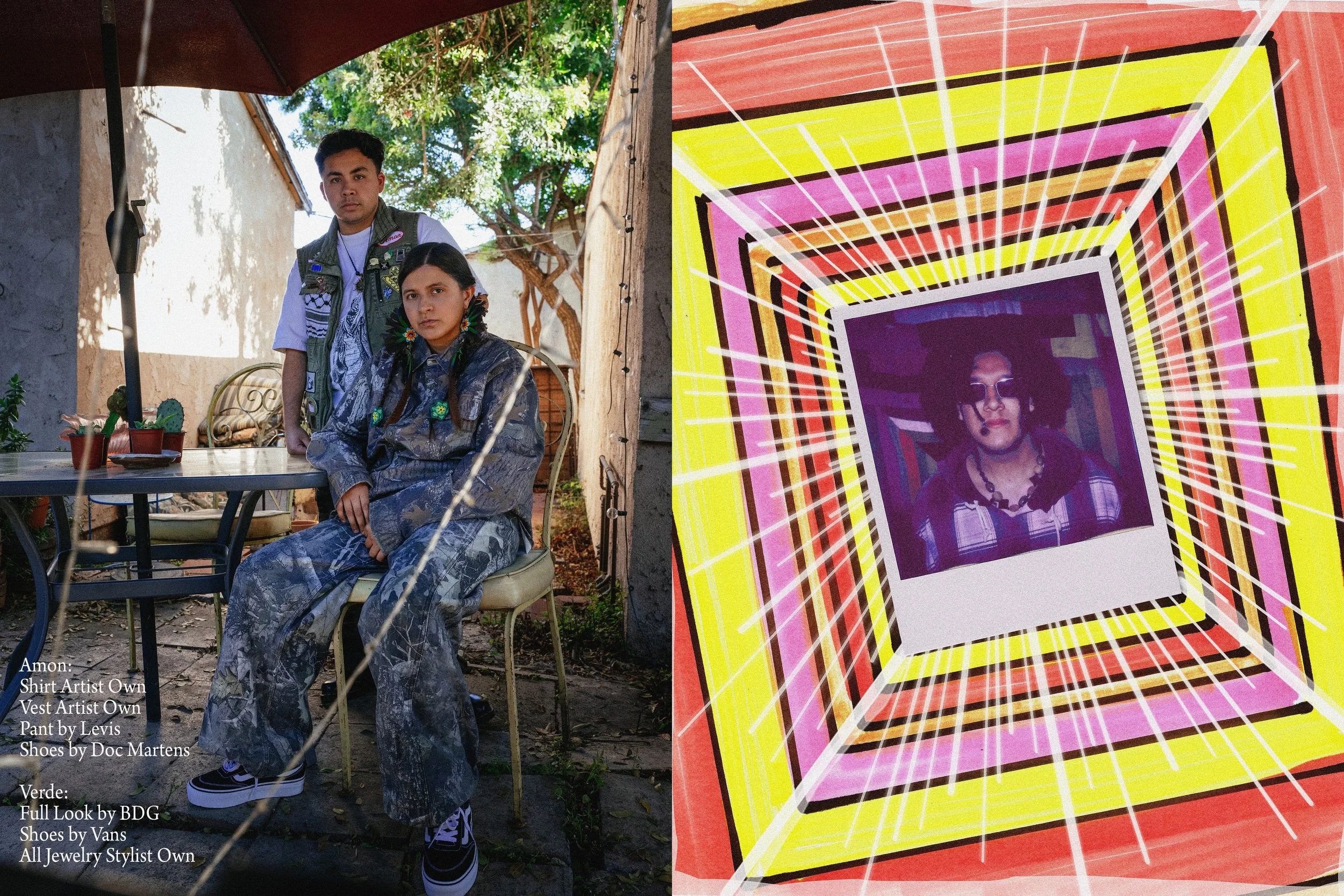
Are there any upcoming projects you are currently working on that we should be on the lookout for?
Verde: Definitely listen to Voice of the Revolution if you have not yet. We are also working on a full collaboration project with Indigenous Cats, and we are already building another band project too. The Kids are not slowing down, not even close.
It has been a crazy few years, and we expect at least three more. How have you been staying positive?
Amon: By reminding myself that everything comes in waves, and that at some point things will get better. We try to look for hope, be hope, take care of ourselves and the people around us, and keep making music because that is therapy.
Verde: I also stay grounded by remembering that other people are going through so much more. Seeing people in Palestine still smiling, still creating moments of beauty in the middle of devastation, that puts everything in perspective. It reminds us to stay strong for them and for ourselves.
DJ JG: For me, it is pouring myself into the music and the work. Every video, every song, every post, knowing it is reaching somebody, bringing awareness, and maybe even inspiring them to use their own platform, that keeps me going. Seeing people respond to what we do is what helps me hold on to hope.
What is your motto in life?
Verde: Keep your inner kid alive.
Amon: Do the best you can and be you.
DJ JG: Use your voice to bring something positive into the world.
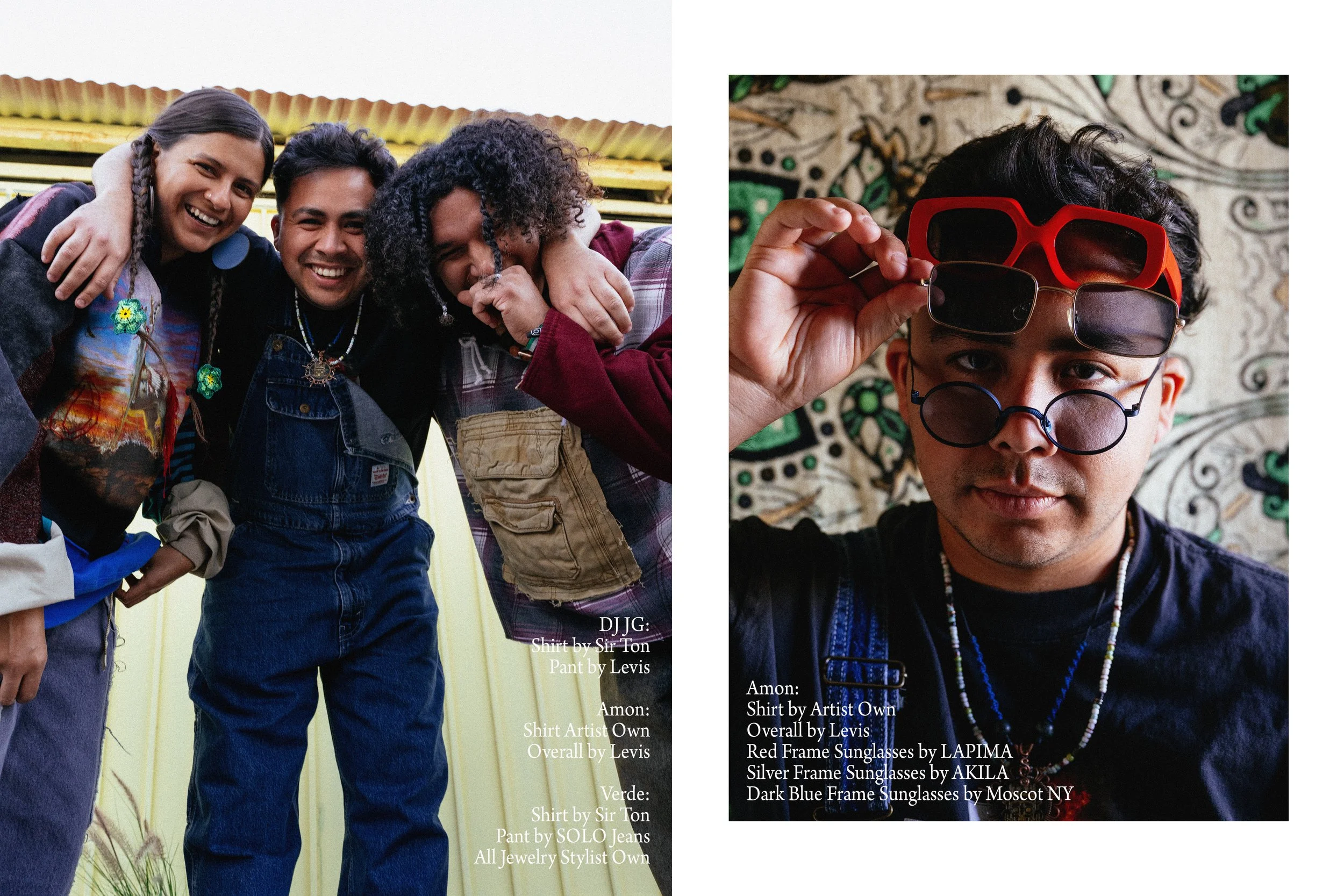
To learn more about The Neighborhood Kids, please check out the links below:
theneighborhoodkidsmusic.com
Instagram: theneighborhoodkidsmusic
Tik Tok: @theneighborhoodkidsmusic
Facebook: theneighborhoodkidsmusic
Team Credits:
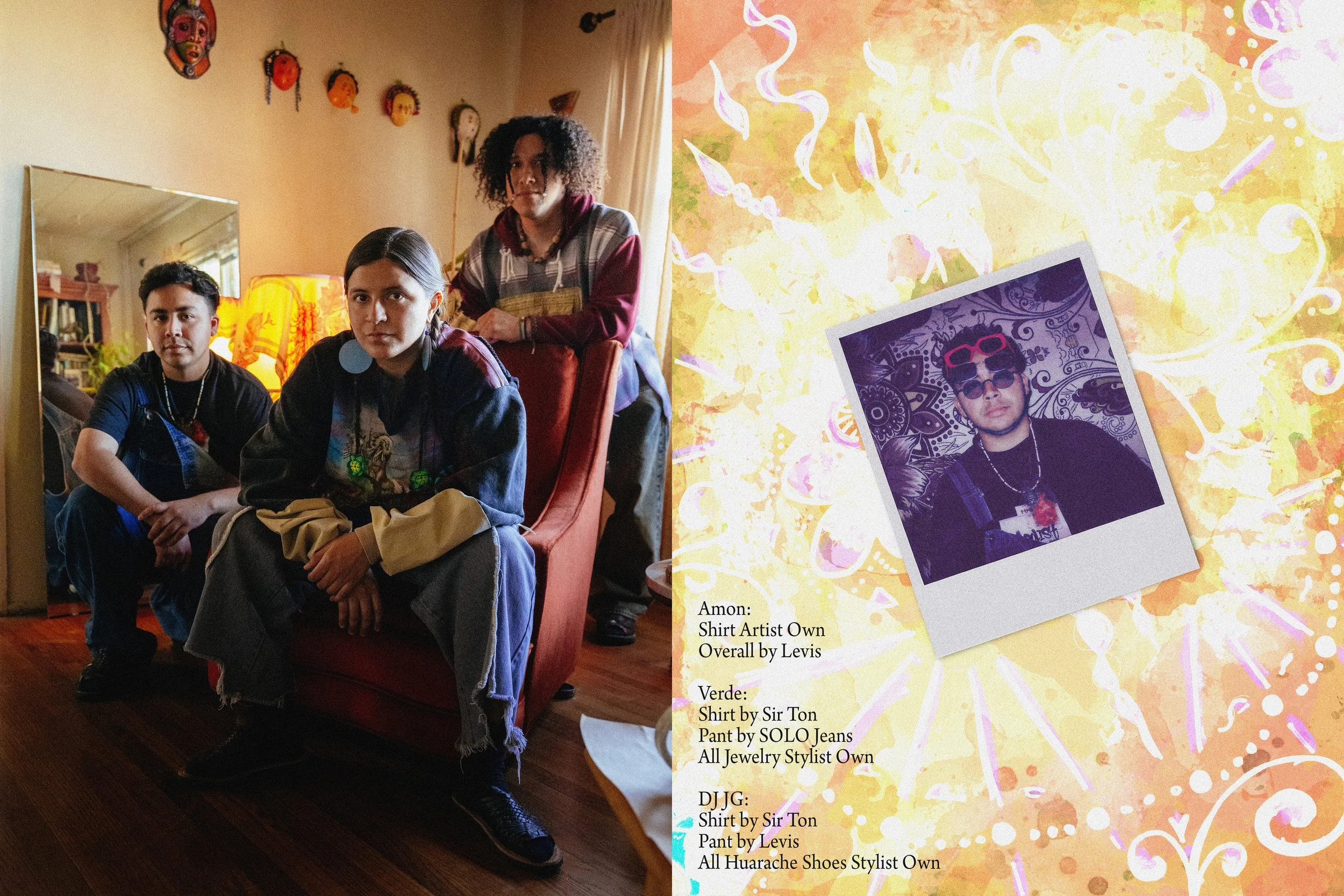
Photographer: John M. Williams
Stylist: Ton Aguilar
Groomer: Katie Jacobs
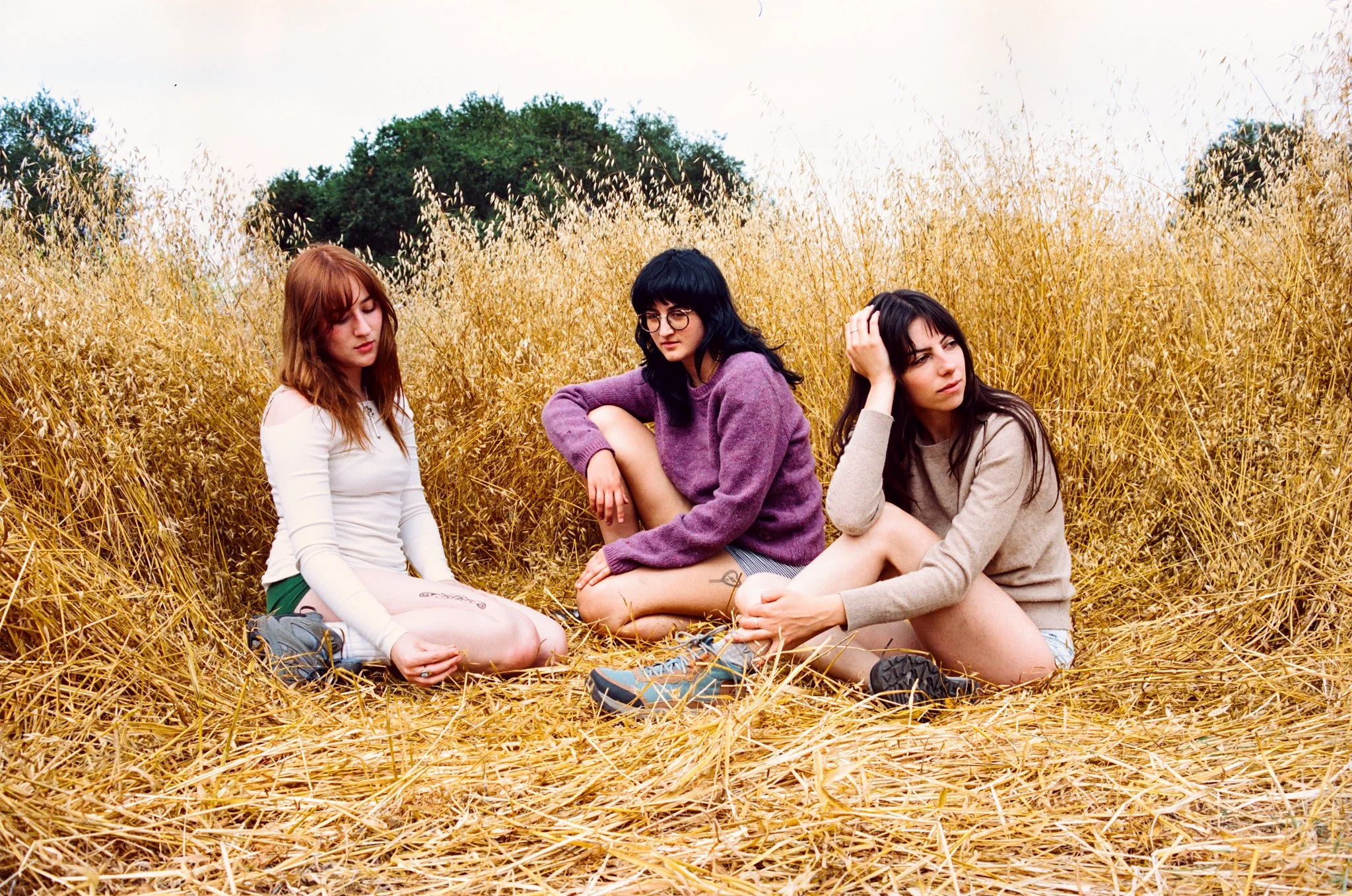
Kelli Blanchett will seduce you with her soft sad melodies as she shares her life through her music. As a survivor of chronic illness she is a passionate advocate of disability rights and representation. We are excited about her new album Casual Dining, and had the opportunity to discuss it and her humanitarian work with her here.