What Are Stacked Jeans? How They Should Fit and Stack
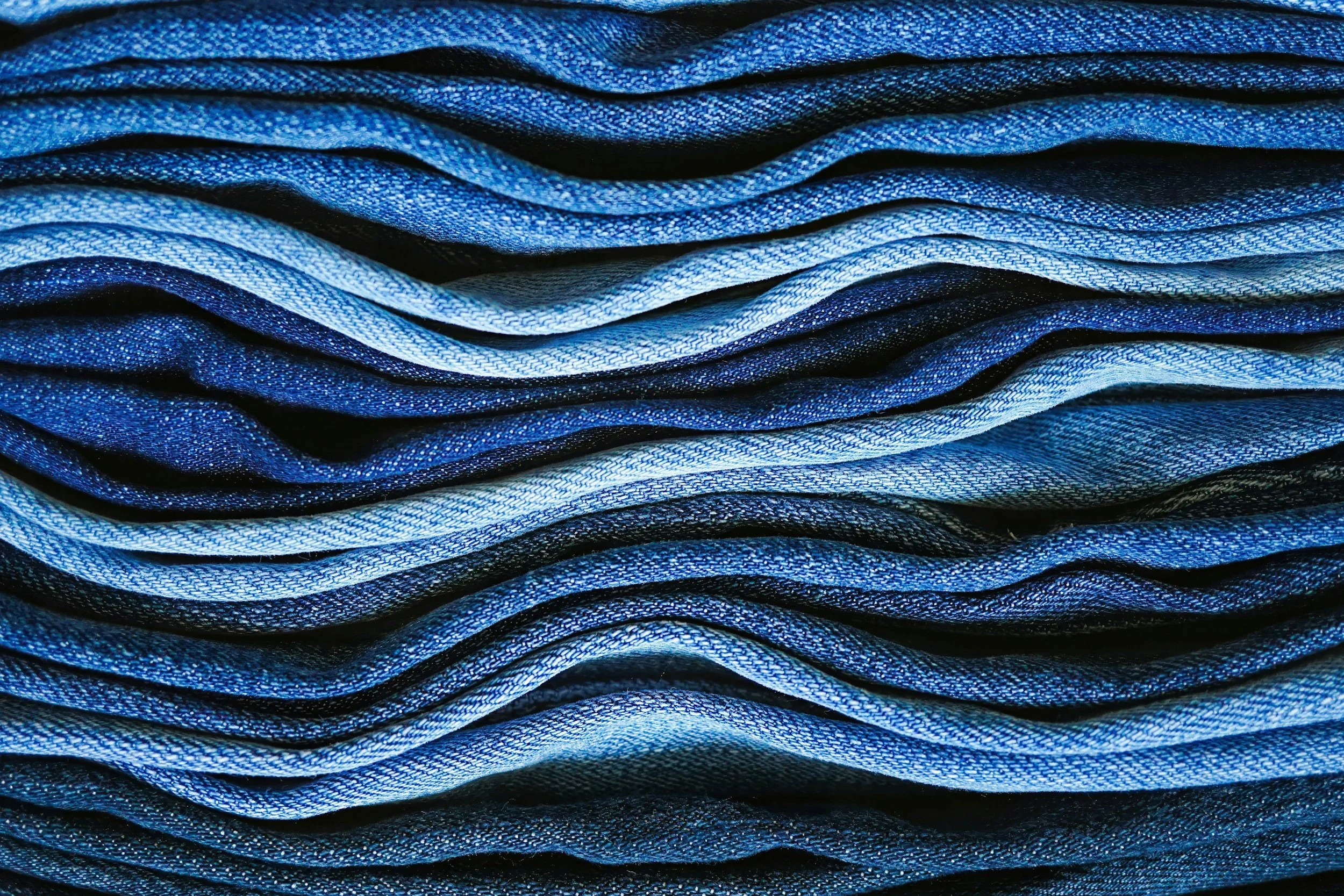
A stacked pair of jeans or pants are extra-long jeans that are designed to gather in deliberate folds around the lower leg and ankle. Instead of the fabric ending at the top of the wearer’s footwear, the extended fabric instead, “stacks” above them which creates a layered silhouette. This style of jeans works especially well with sneakers, boots and other trending footwear.
This style of jean combines a close, structured fit on the upper leg which accompanies the additional length of fabric below the knee. Stacked jeans are strongly associated with modern streetwear style trends.
What Makes Jeans “Stacked”?
The defining feature of a stacked pair of jeans is that it has an extended inseam. Unlike a standard pair of jeans, a stacked pair can have several inches of length extra on them, designed strategically to create folds naturally around the calf area and down.
The jeans should not be mistaken with oversized, wide fit jeans. A correctly designed pair of stacked jeans remains controlled at the waist to the thighs. Brands offer fashion-forward collections, an example being Rockstar Originals Stacked denim range, that features extra-long denim styles which work to create a clean and effortless look.
Fabric regularly influences the end result of this style of jeans. If the stacked jeans are designed with a small amount of stretch to their denim, it can form a softer stack of material and tend to be more comfortable around the knee area. Heavier material that is more rigid tends to produce sharper folds, but they may require more wear before they settle naturally.
How Should Stacked Jeans Fit?
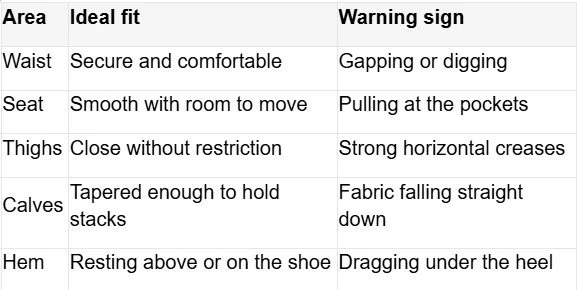
As stacked jeans are not your typical style of jeans you may be asking how to buy them so that they fit and stack correctly. The waistband of this style of jeans should sit securely without digging into your body or falling downwards off the waist. When wearing them, you should be able to move, sit and bend comfortably, but the waist should not require a tightly fastened belt accompanying them to keep them in place.
When choosing the right pair, you need to consider the size of the jeans you purchase. Make sure not to pick a size too small. Choosing a pair that is too small can result in horizontal stress lines around the hips and depending on the material it can make the style of jeans uncomfortable.
Below the knee, the leg should remain narrow enough to stop the extended fabric from falling over the entire shoe. The hem can touch the shoe and gather above it, but it should not drag heavily on the ground.
Should You Size Up in Stacked Jeans?
With a style of jeans like stacked ones, many retailers suggest sizing up. By sizing up you may make the slimmer design to the jeans a little bit more comfortable, however, the waist size will need to be measured as you do not want to buy a pair and the waist band be far too big.
If your normal size feels restrictive, try one waist size larger while keeping the longest suitable inseam. For example, someone who normally wears a 32-inch waist might compare a 32 and a 34, depending on the brand’s available size. Check the product’s actual garment measurements because labeled sizes can vary depending on designer.
People with muscular thighs may benefit from sizing up and using a belt, provided the seat does not sag. If the larger pair creates excessive waist gapping, choose a stretch-denim style or a roomier athletic cut instead.
How to Get the Right Stack
Measure your waist and inseam. Measure where you normally wear jeans, then measure from the crotch seam to the floor without shoes.
Choose extra inseam length. Look for an inseam several inches longer than your standard measurement. The exact amount depends on how dramatic you want the stacks to appear.
Try the jeans with your intended shoes. High-top sneakers and boots support the fabric differently from low-profile shoes.
Arrange the folds naturally. Gently distribute the denim from the ankle to the lower calf. Avoid creating perfectly even folds, which can look forced.
Check the hem while walking. It should remain above the ground and should never become trapped beneath your heel.
How to Style a Stacked pair of Jeans
The key to creating the best look from stacked denim jeans, is to keep the overall silhouette balanced. Pairing the jeans with a fitted T-shirt or a cropped jacket can emphasize the jeans desired look, while a relaxed hoodie can create an original streetwear-focused outfit without hiding the stacked intended design.
The footwear you choose to pair with the jeans should have enough structure to support the extra material. Low narrow shoes can work with these jeans but they can allow more of the fabric to gather too heavily around the entire foot itself rather than the ankle.
Avoid hemming stacked jeans to a standard length unless you want to remove their defining feature. If the fabric drags, a tailor can shorten it slightly while preserving enough length for several folds.
Frequently Asked Questions
Are stacked jeans supposed to be long?
Yes, stacked jeans are intentionally longer than average conventional jeans but he hem of this design should not drag under the shoes.
Can short people wear stacked jeans?
Absolutely, you do not have to be tall to wear this style of jeans. The trick is to choose a proportionate amount of extra length so the stacks remain controlled rather than overwhelming your frame.
Should stacked jeans feel tight?
They should feel close through the legs, not restrictive. You should be able to sit and bend comfortably.
Do you cuff stacked jeans?
Usually not. Cuffing removes the flowing stacked effect, although a small adjustment may help prevent temporary ground contact.
The size and the fit of the stacked jeans you choose need to be specifically chosen to your stature. Make sure to check the brands recommended sizing and the tips they are likely to have on their own products. Each brand will size their stacked jeans differently and have the extra material sit differently due to their material choices, brand preferences and potential added design elements to the jeans.
Lonely Kids Club is an Australian-based fashion label that specializes in featuring creative, individual artists on their clothing while maintaining a strong dedication to sustainable business practices and shirts that feel comfortable and clever. Their brand is passionate about mental health advocacy and queer rights and inspiring people to be uniquely themselves.