
5 practices to make your kid's bedtime easier
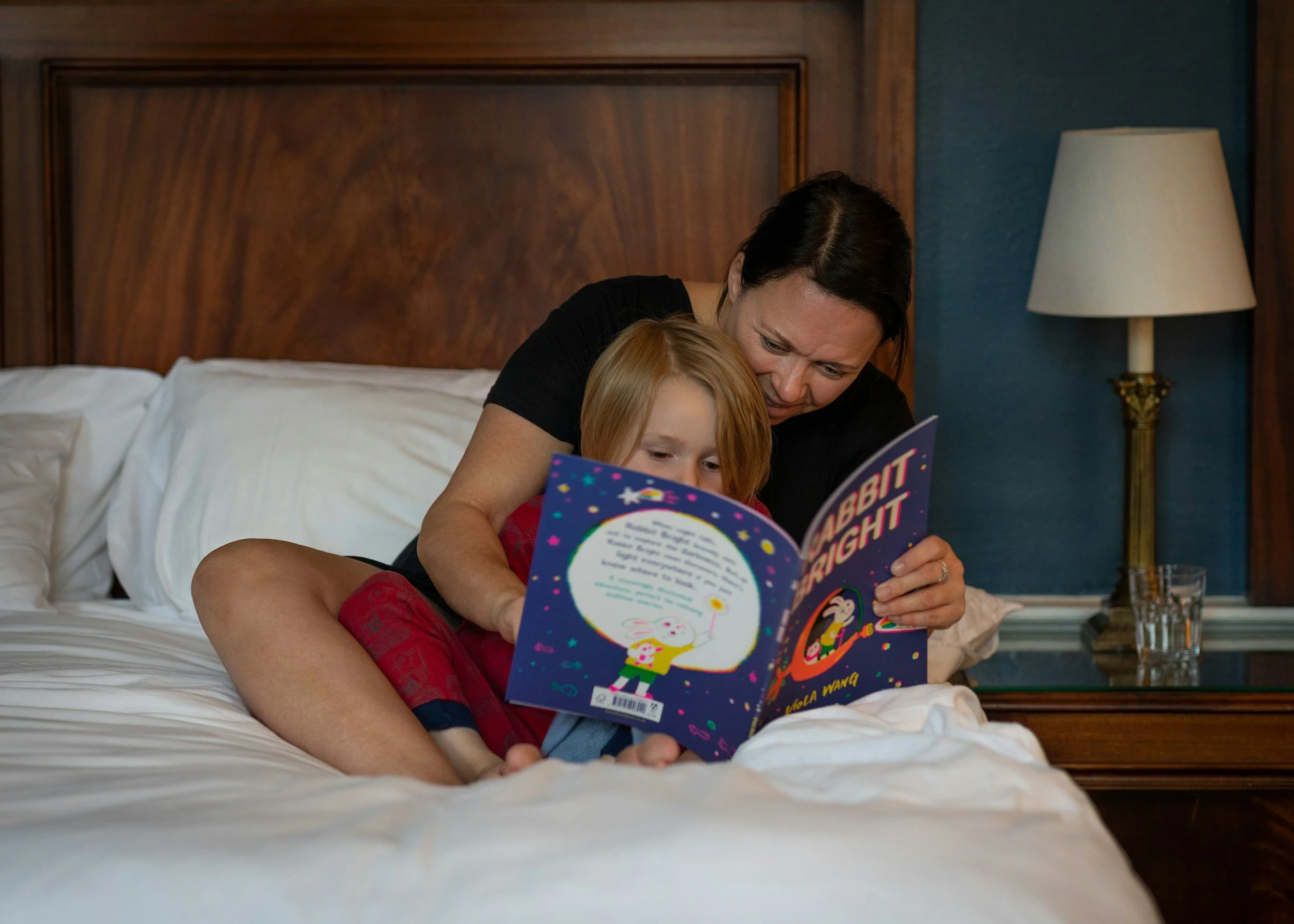
Evenings can feel like a race against the clock when you’re juggling homework, dinner and winding down for the night. By the time bedtime arrives, your child might still be buzzing with energy, and you’re left wondering how to calm the chaos. The good news is that small, consistent habits can transform sleepy time from a battle into a peaceful close to the day.
Read five ways to create the right environment and rhythm, and make it easier for everyone to get the rest they need.
Create a predictable routine
Children thrive on familiarity as it gives them a sense of control. Start by setting a clear bedtime and sticking to it every night, whenever possible, even at weekends. Build a series of activities that always happen in the same order – perhaps a warm bath, brushing teeth, then a story.
When you repeat these steps daily, your little one begins to anticipate what comes next, which reduces resistance. Keep the routine short and focused so it doesn’t lead to distractions.
Limit screens before bed
Screens stimulate the brain and delay the release of melatonin, the hormone that helps us sleep. Aim to switch off tablets, TVs and phones at least an hour before hitting the hay. In their place, encourage quiet activities such as reading or drawing.
If your child struggles to let go of devices, set a timer and explain why it matters for their sleep. This approach helps them understand the link between screen time and feeling rested (or grumpy) in the morning.
Choose the right bed
Comfort plays a huge role in how quickly a child settles down, and a bed that’s too small or unsupportive can lead to tossing and turning. Look for beds for kids that suit their age and size, with a mattress that offers proper support for growing bodies.
If your kid shares a room, consider a bunk bed with safety rails or a cabin bed with storage to keep the space tidy. When it feels inviting, bedtime becomes something for them to look forward to rather than avoid.
Keep evenings calm
The tone of the evening sets the stage for sleep, so avoid high-energy games or TV shows close to turning in, as they can overstimulate your child. Instead, dim the lights and lower the noise level around the house.
You can even speak in a softer voice and move at a slower pace to signal that the day is winding down. These subtle changes help your child’s body – and your own – recognise it’s time to relax.
Use soothing sleep cues
Simple sensory cues can make a big difference, like a favourite blanket, a gentle nightlight or soft music. Choose one or two cues and use them consistently so your little one associates them with sleep. For example, you might play the same calming playlist every night or read from a special book. These signals become a gentle nudge, telling your child it’s safe to drift off.
Bedtime doesn’t have to feel like a struggle. These small changes build trust and predictability, turning lights out into a moment of connection rather than conflict.


Halloween is coming up and with celebrating it lots of fun activities too. But enjoying festivities doesn't mean to harm the planet. That’s why I have put together a list of actions we can do to celebrate in a more eco-friendly way!