Krystal Duran: Nurturing Growth in Plants as a Philosophy of Life
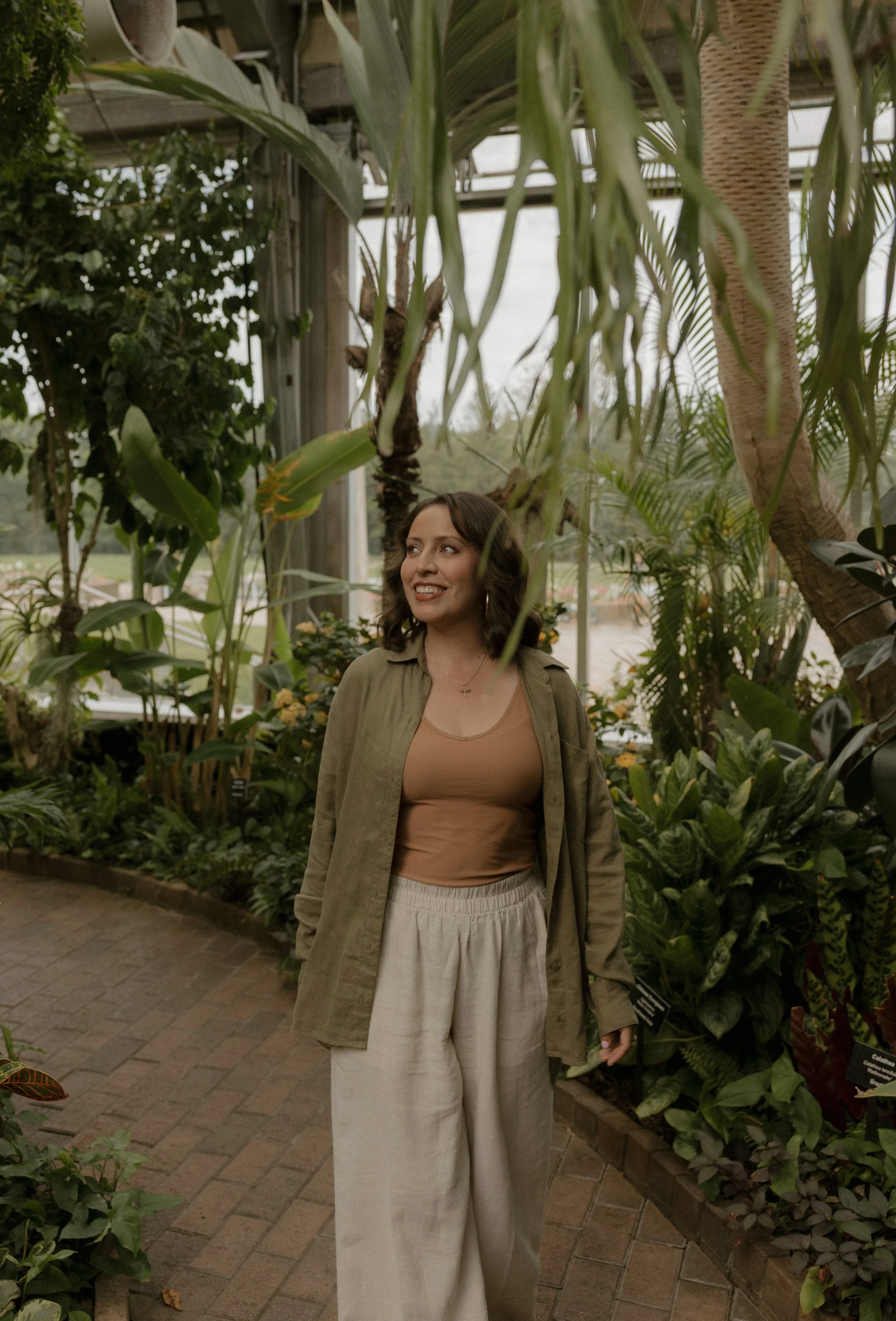
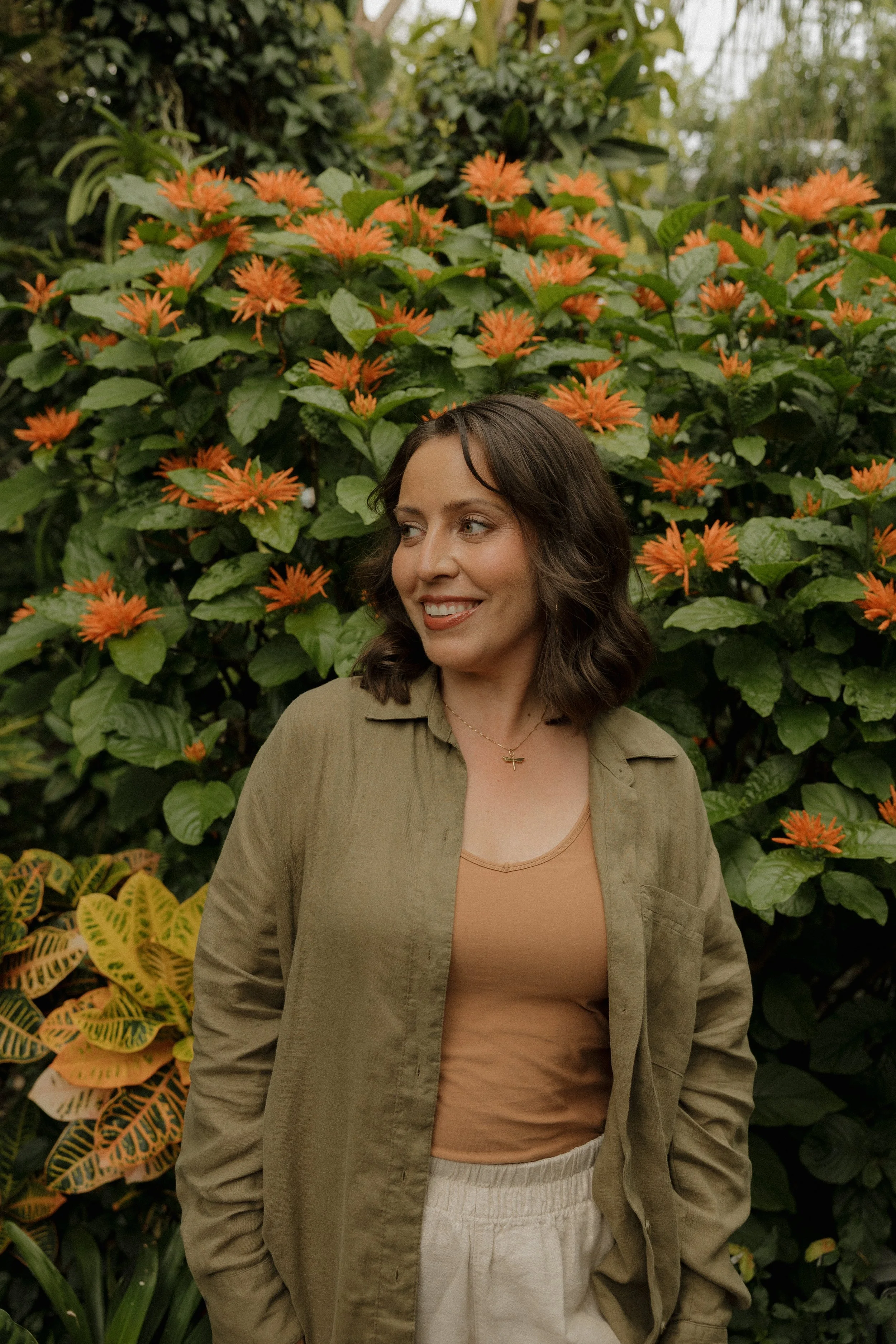
As the founder of the viral site Plants With Krystal, Krystal Duran has dedicated herself to more than just content creation; she has built a community where plants are not merely decor but living beings that grow alongside us, they are companions from the moment a seed germinates through maturity, and through the love and grief that accompany life. She has cultivated a philosophy of life rooted in love and growth, shaping both how she lives and how she connects with others, by that, she channels the wisdom plants have given her into serving her community, supporting causes such as youth and children with special needs, as well as Food Finders and local food-access initiatives.
Where are you from?
I’m originally from California! I was born in Torrance and raised in Long Beach. My Dad is Guatemalan and my Mom is Argentinian. My parents moved us here to Indiana in 2005 and I’ve been here ever since.
Tell us about your background history! What steps led you into the beauty of gardening?
Plants weren’t originally something I ever imagined becoming my career. My background is actually in social work, and I worked with children with special needs and their families.
My relationship with plants really grew during a time when I needed something for myself. What started with a few houseplants slowly became this whole world of learning, experimenting, killing a few plants along the way, and figuring out what worked. Eventually, I started sharing that journey online.
I never set out thinking, “I’m going to become a plant content creator.” I was just genuinely excited about plants, I went looking for people that shared the same passion, and I wanted to make what I was learning feel approachable for other people. That little community grew into Plants with Krystal, and somehow plants ended up changing the entire direction of my life.
What was your first meaningful connection with plants?
I have always been someone who appreciated nature. I was someone that refused to be inside. So naturally, I leaned more towards anything growing. I found myself frustrated though as an adult when I wanted to bring plants into my home and couldn’t keep them alive. In 2014, I knew it was something I wanted to improve in so I started my collection with cactus and succulents and it quickly grew into tropical plants as well.
There’s something really special about watching a new leaf unfurl or seeing a plant you thought was struggling suddenly start growing again. It sounds simple, but those little moments started meaning a lot more to me.
Just as in life, there are ups and downs when planting a plant. How did taking care of your plants help you with the loss of your husband?
After losing my husband, grief changed everything. There were days when doing even the smallest things felt incredibly difficult.
After building a large indoor plant collection, I remember looking around me and majority of that collection I worked so hard to build was dying. Little by little, it gave me a reason to get up. Plants gave me small, manageable things to care for. Water this plant. Check this leaf. Throw this one away. Repot this one. Notice that new growth. They gave me reasons to get up and be present without asking too much of me.
And I think that’s one of the biggest things plants taught me about grief: growth and grief can exist at the same time. That became a huge part of why the phrase “More than just a plant” means so much to me.
Do you have a favorite type of plant?
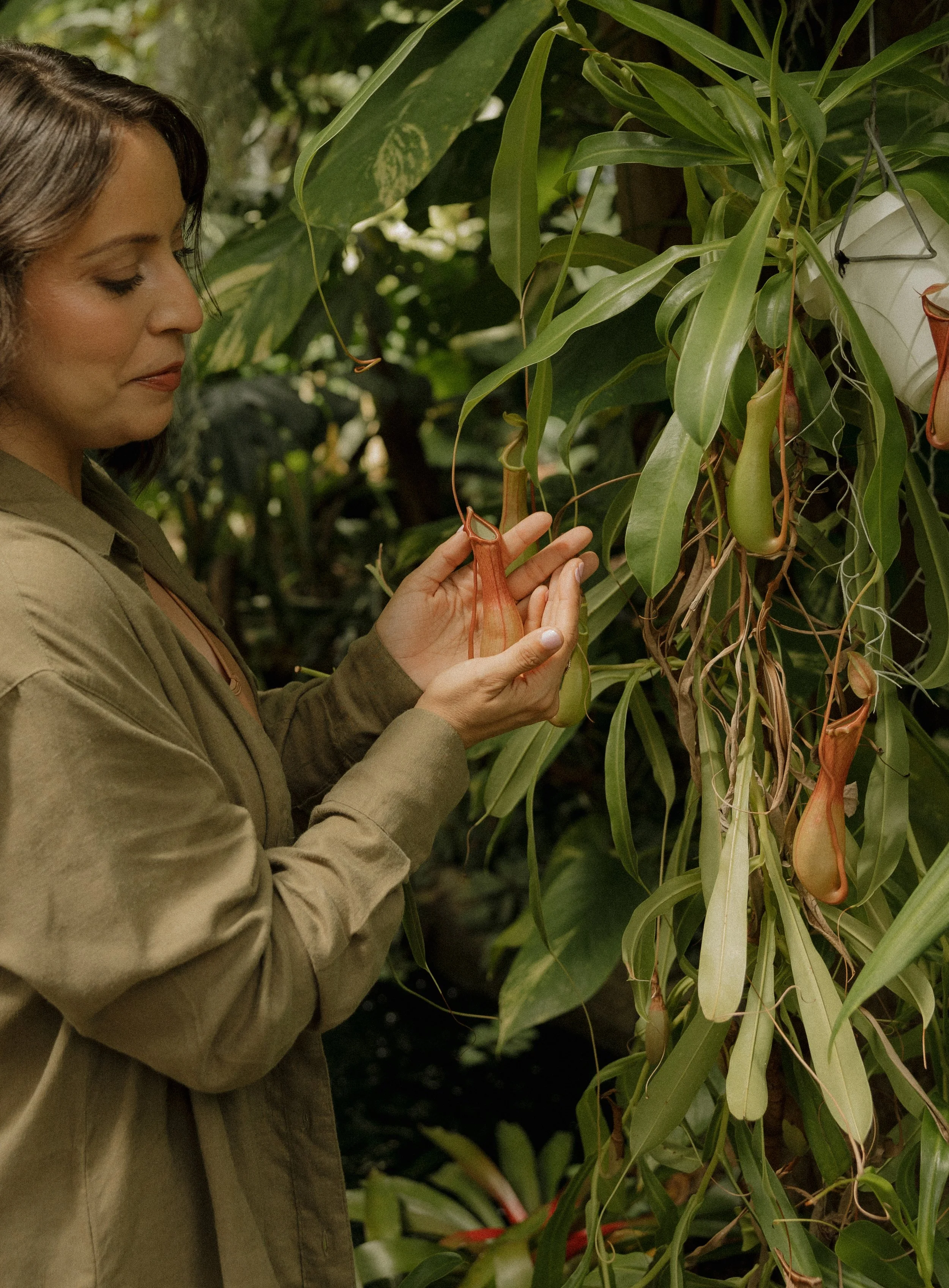
This is always such a hard question. It’s like having to choose a favorite child! But I have a special place in my heart for cactus. Their blooms are spectacular and they were my first loves. Then from there Monsteras, orchids, Stapelia succulents, oh and carnivorous plants! They’re just weird and fascinating.
Any tips for new plant owners?
My biggest tip is: stop trying to be a perfect plant parent. Focus on learning the basics about light, watering, soil and your plant’s natural growing conditions but don’t be afraid to make mistakes. I’ve killed plenty of plants! That's part of learning. Also grow your collection slowly. Learn about the ones you have before growing more than you’re comfortable with. I want this hobby to be with you for a long time and not feel overwhelming.
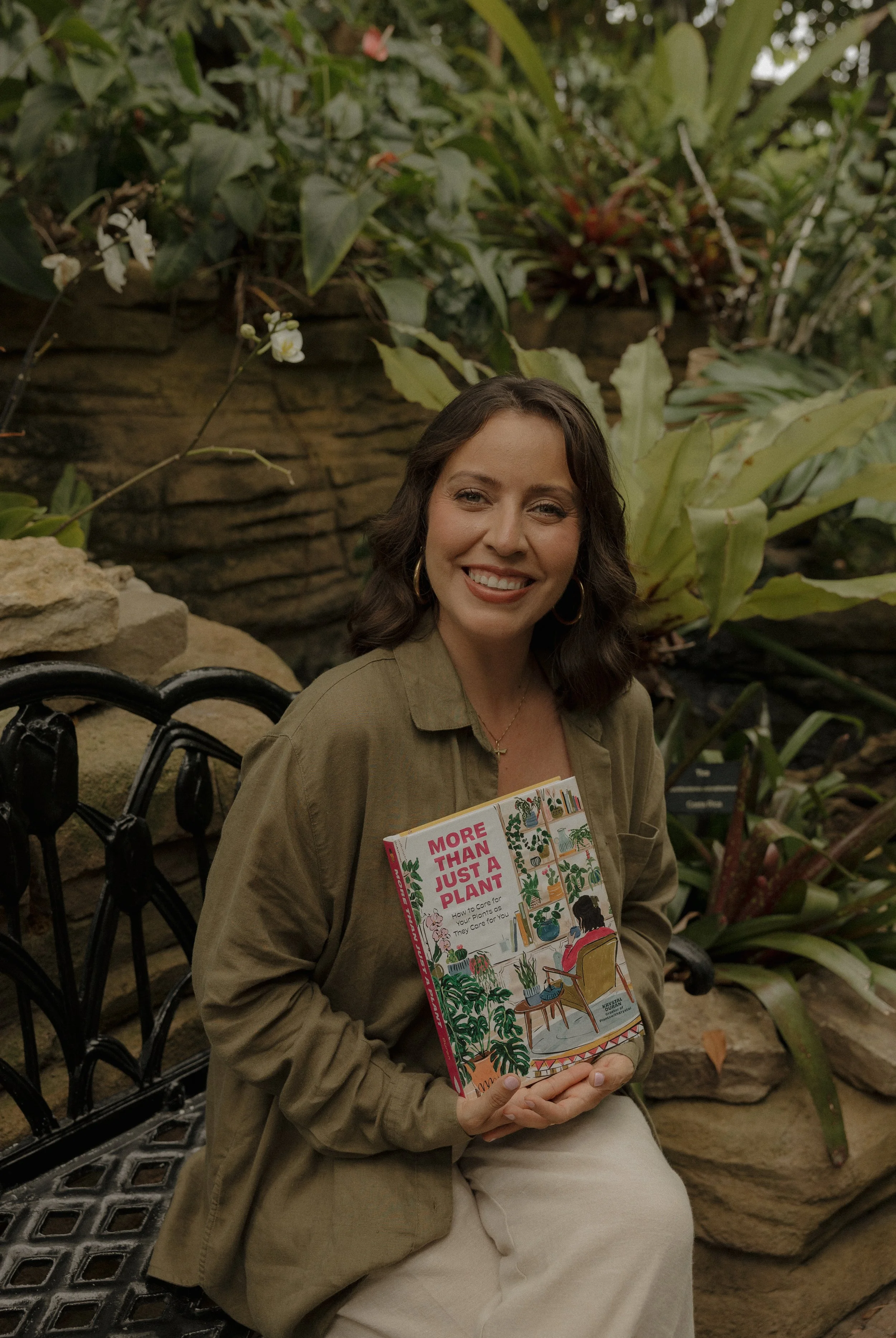
Your book “More Than Just a Plant” comes out on November 3rd! Can you tell us what it’s about and what led you to create it?
More Than Just a Plant: How to Care for Your Plants as They Care for You is part plant-care guide and part personal story.
Of course, there’s practical information about caring for houseplants, creating plant-filled spaces, propagation, projects and all of those things I love teaching. But there’s another layer to it.
The book explores the relationship we build with our plants and what they can represent in different seasons of our lives. I talk about grief, confidence, companionship, healing and finding joy again.
I wanted to create something that acknowledged what so many plant people already know: sometimes it really is more than just a plant.
During your career you have been fostering social and humanitarian causes through gardening, tell us about it!
As my platform has grown, I’ve become increasingly aware that having a community also means having an opportunity to do good with it.
For me, plants are a doorway into much bigger conversations: community, food access, mental wellness, education, environmental stewardship and simply caring for one another.
I don’t think you have to separate those things from plant care and gardening. Plants itself is about nurturing something and understanding that what we do today can have an impact later. I try to carry that same philosophy into how I use my platform.
You used to be a social worker working with kids with special needs. Can you tell us a bit about this?
Before Plants with Krystal became my career, I worked in social services with children with special needs and their families.
That work taught me so much about patience, communication and meeting people where they are, and I actually think a lot of that followed me into what I do now.
When I teach about plants, I never want someone to feel intimidated or like they have to already know all the terminology. I want people to feel comfortable asking questions and learning at their own pace. Education should feel welcoming, and I think my background really shaped that philosophy.
We love that you continuously support Food Finders and food-access efforts in your community. Why is this important to you?
Food access is one of those issues that directly affects people in our own neighborhoods, sometimes in ways we don't see. Food is such a basic human need, and I believe everyone deserves access to it with dignity. Supporting organizations doing that work locally is important to me because this is my community.
My platform might be centered around plants, but ultimately there are people behind every follow, every comment and every screen. If the community we’ve built can also help support people outside of social media, that means a lot to me.
We love that you openly support the need for accessible education towards plants, tell us about the purpose of this.
Plant education can become unnecessarily intimidating. There are scientific names, complicated terminology, expensive products and sometimes this idea that you need to know everything before you're allowed to call yourself a “plant person.”
I really push against that. You don’t need a rare plant collection to enjoy plants. My goal has always been to take information that can feel complicated and explain it in a way that feels practical, fun and approachable. If someone watches one of my videos and walks away thinking, “Oh! I can actually do this,” then I’ve done my job.
In this modernity, how can we garden together as a community?
I actually think technology has given us some really beautiful ways to garden together.
Someone can be growing a pothos in an apartment in Indiana and connect with someone growing one halfway across the world. We can swap cuttings, share advice, troubleshoot dying plants together and celebrate when somebody finally gets that bloom they’ve been waiting three years for.
But I also think we need to bring some of that connection offline. Visit your local nursery. Support community gardens. Share produce. Give someone a propagation. Go to plant swaps. Visit plant events. Teach our youth how to grow something.
Plant care doesn't have to be a solitary activity. Plants are really good at bringing people together.
Socially and politically the past few years have been crazy, what do you do to stay positive?
I do not want to confuse staying positive with ignoring what’s happening around me. Life is hard. There are difficult things happening in the world; in our communities, and I think it’s important to be informed, acknowledge it, and be part of the change to be better.
For me, staying grounded means focusing on what I can actually nurture and influence which includes my home, my plants, my family and friends, my community and the work I put into the world.
Sometimes that means getting offline, going outside, putting my hands in some soil and remembering that life is happening beyond my phone. As a creative in the online space, time away is important. I also try to look for small moments of joy. They don't erase the difficult things, but they remind me that difficult things aren't the only things life has for us.
What is your motto in life?
Over the last few years I have leaned into the motto, “You are right where you are supposed to be.”
My dad repeats it to me often, especially during the times when I’m questioning where I am in life or feeling like I “should” be further along.
After experiencing loss, I was really hard on myself because I felt frustrated by my own inability to just “bounce back.” I think we’re sometimes made to believe that healing should have this clear timeline and that eventually you should be back to who you were before. But grief doesn’t really work that way, and I had to learn that there was nothing wrong with moving at my own pace.
One thing plants continue to teach me is that growth doesn’t have to be rushed. There are seasons when we’re growing fast, seasons when we’re resting, seasons when we’re at a loss, and seasons when we’re starting over. Sometimes it may even look like nothing is happening at all, but that doesn’t mean growth isn’t taking place beneath the surface.
None of those seasons make us failures. We should give ourselves the same grace and patience we give our plants.
To learn more about Krystal Duran, please check out the links below:
Instagram: _plantswithkrystal_
Pre order “More than just a Plant” here!
More than just a Plant book tour locations here.
Access to Krystal’s website “Plants with Krystal” here.
Photo credit: Kat Schleicher

Clara Woods is an artist, motivational speaker, influencer, and host of The Inclusion Matters Podcast. Despite suffering from a prenatal stroke that left her unable to read, write, or speak, she has been able to use her passion for art and large social media presence to educate, inspire, and uplift. To learn more about Clara Woods and her art, read on.