
What to Know About the Proposed Republican Healthcare Bill
House Republicans have just recently proposed a new healthcare bill that is supposedly the cost-saving centerpiece for Trump's “big, beautiful bill”. In reality, this legislation is anything but beautiful.
The expansion of Medicaid was one of the most impactful effects of the Affordable Care Act, helping eliminate cost barriers to care and allowing more individuals access to healthcare coverage. With this new healthcare bill being introduced, important parts of the Affordable Care Act and Medicaid will be affected and likely leave millions of Americans without access to healthcare coverage.
This new legislation creates new, harder to reach, “community engagement” work requirements for Medicaid eligibility, requesting at least 80 hours monthly of work, education, or service from all able-bodied adults without dependents. Additionally, it makes the income verification process for ACA coverage stricter and creates more frequent eligibility checks a year. This makes it more challenging for those in need to qualify and stay qualified.
This legislation also freezes the “provider tax”, a tax that a multitude of states use to fund large portions of their Medicaid programs. While critics of the “provider tax” say states are using it as a way to inflate their budgets, the “provider tax” is actually extremely important and if taken away it would cut a substantial amount of funding for Medicaid, affect millions of individuals coverage, and cause devastation to valuable healthcare infrastructures that everyone relies on like hospitals, immediate care facilities, and ambulance providers.
Unsurprisingly, this bill also introduces plans to cut federal funding for organizations like Planned Parenthood and ban the use of Medicaid for gender-affirming care for youth. Furthermore, it directly targets immigrants who don't possess legal documentation, reducing federal funding to states who allow undocumented immigrants to sign up for and receive Medicaid and adding a new qualification standard for the ability to receive ACA coverage which entails needing proof that one is “lawfully present” in the United States.
Though, all hope is not lost. Passing legislation like The New York Health Act would be an incredibly impactful step forward because it would create universal healthcare for all New York residents including coverage for mental health services, reproductive health services, substance use treatment, and so much more. Once passed, this legislation can hopefully inspire enactment of similar legislation in other states.
We need to push for legislation that supports patients, not profit. If we can get The New York Health Act passed we can start the expansion of universal healthcare in the United States and help millions of people gain access to healthcare services without financial burdens and barriers.
Now is not the time to back down, it is more important than ever that we do everything in our power to counteract the effects this next four years will have with the Trump administration in office, especially with how it will affect our healthcare. So get proactive, do your research, call your representatives (especially if you have republican ones!) to ensure they vote against this new healthcare bill, and make your voice heard.

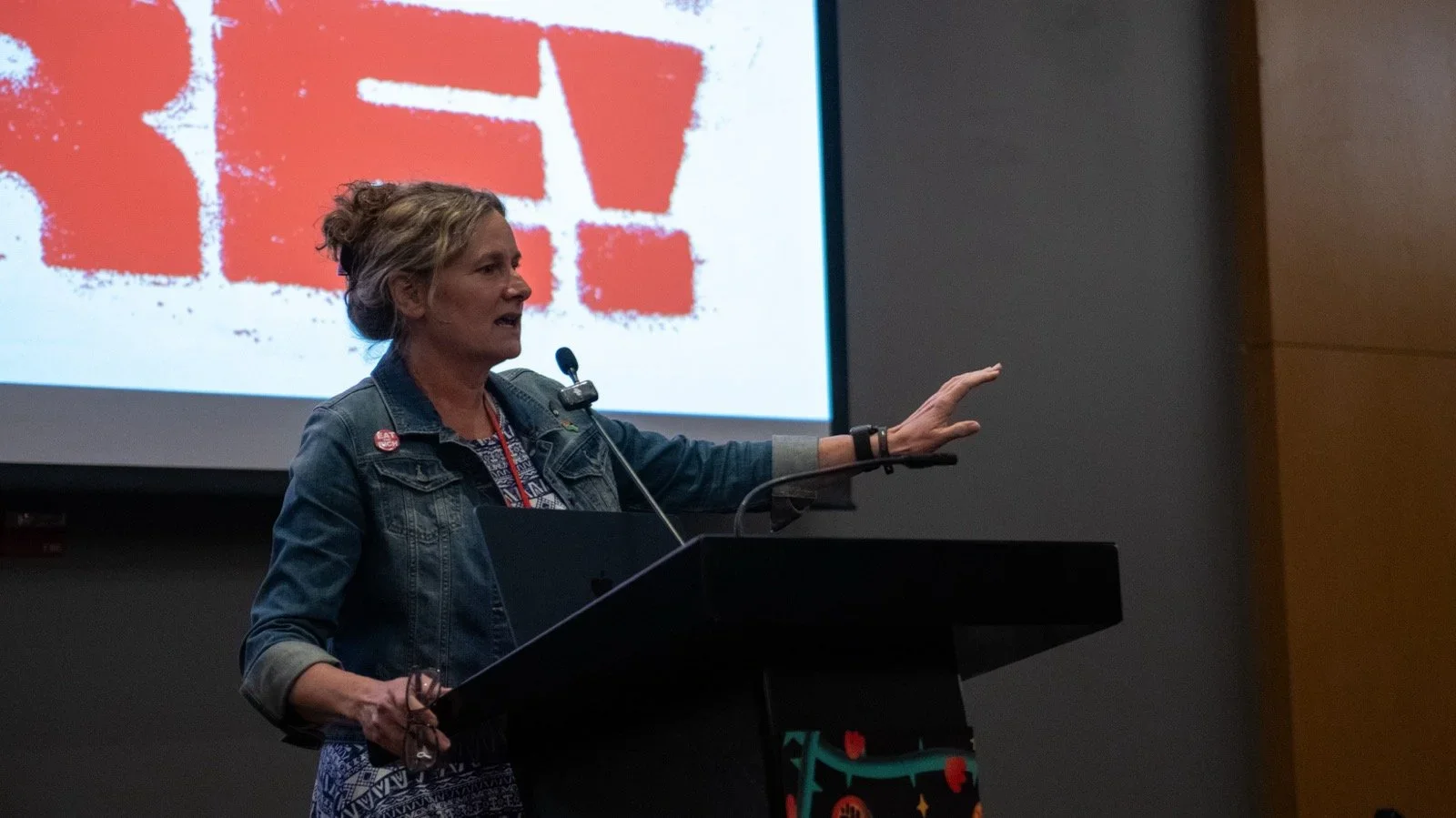
This year, Iowa is a swing state! Democrats have the probability of picking up three of the state’s four US Congressional seats, as well as the US Senate seat where there is an election. The Republican party has a supermajority in the Iowa House of Representatives by a single seat: if Democrats win at least 34 seats (they currently hold 33), they will break the Republican supermajority!
One of these Democrats is Elinor Levin (she/her), a queer millennial former teacher who is running for her third term in the Iowa House. Motivated to run for office by legislative attacks on queer people, Elinor is a fighter for numerous causes in the House. An environmentalist since the second grade, and a vegetarian since age 12, Elinor serves on the Environmental Protection committee and is the ranking member on the Natural Resources committee. Elinor supports healthcare for everyone, water/air/soil rights, sustainable energy, and the body autonomy rights of women.